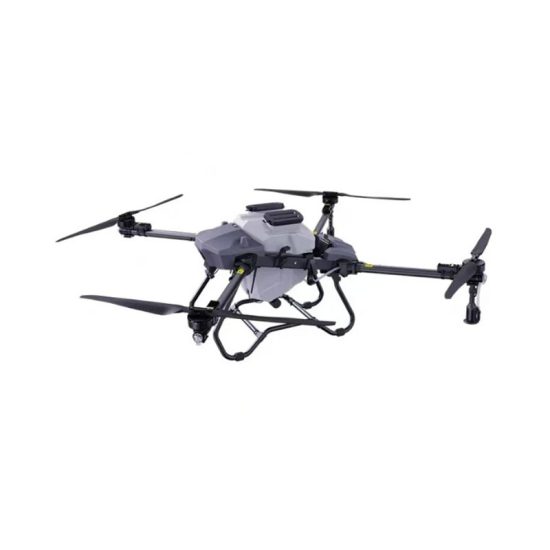


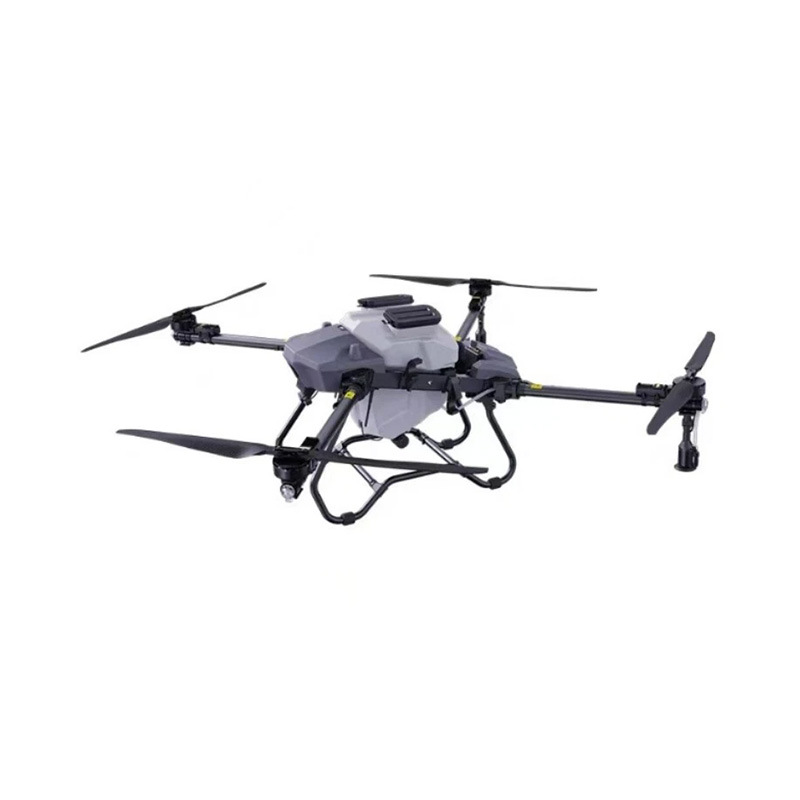
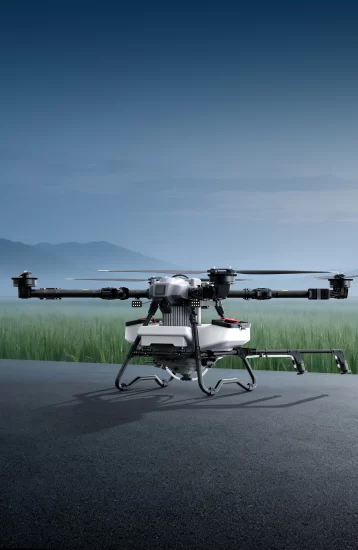
Agricultural drones have become an important tool for modern farming, helping farmers improve spraying efficiency, reduce labor costs, and achieve more precise crop management. However, choosing the right crop spraying drone can be challenging because different farms have different requirements for capacity, battery life, flight time, and spraying performance.
This guide explains the key factors buyers should consider before purchasing an agricultural drone.
1. Determine Your Farming Application
Before selecting an agricultural drone, you should first define your main application needs:
- Crop spraying for rice, wheat, corn, cotton, and vegetables
- Fertilizer spreading
- Pest and disease control
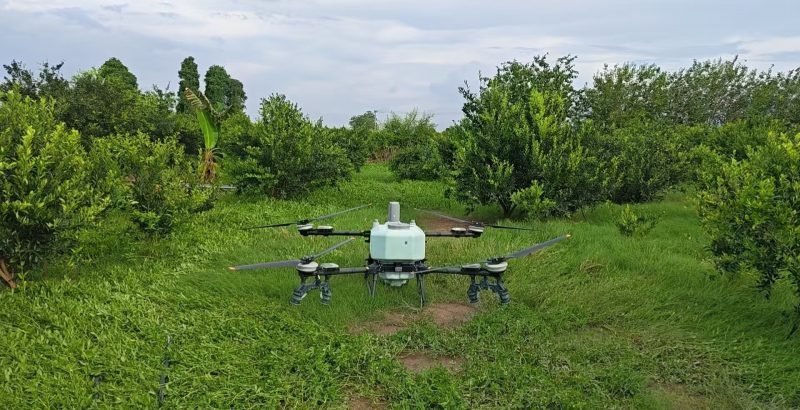
- Orchard spraying
- Large-scale farmland management
Different crops require different spraying heights, flow rates, and flight capabilities.
2. Check Drone Payload Capacity
Payload capacity is one of the most important specifications of an agricultural drone.
Common options include:
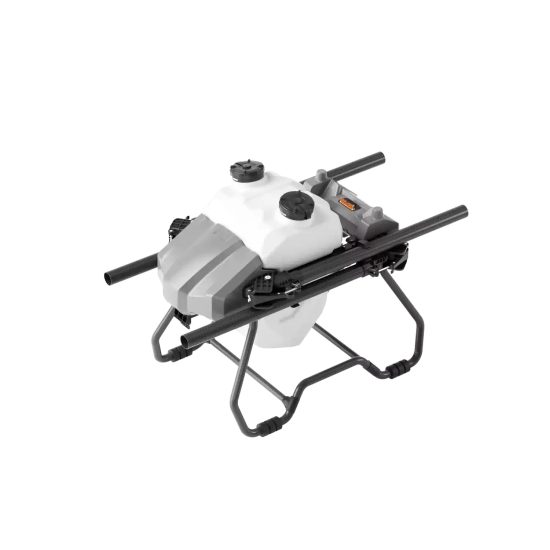
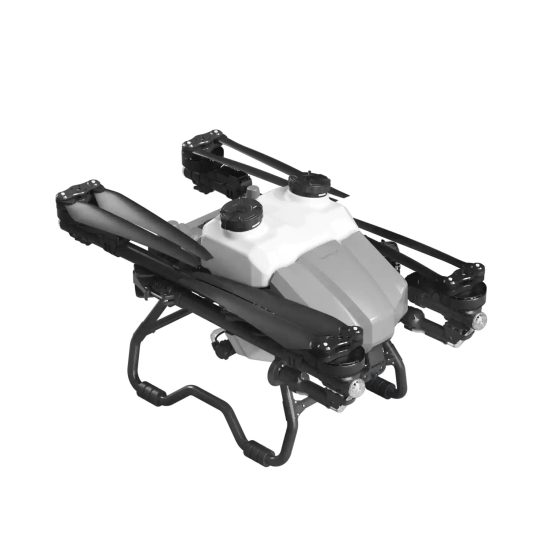
- 10L agricultural drones for small and medium farms
- 20L drones for general farming operations
- 30L or larger drones for large-scale commercial agriculture
A higher payload allows the drone to cover more farmland per flight and improves operational efficiency.
3. Consider Battery Performance and Flight Time
Battery performance directly affects working efficiency.
When choosing a crop spraying drone, check:
- Battery capacity (mAh)
- Charging speed
- Number of batteries included
- Flight time per operation
High-capacity intelligent lithium batteries can help drones complete longer spraying missions with fewer interruptions.
4. Evaluate Spraying System Quality
A professional agricultural drone should have an efficient spraying system, including:
- Precision nozzles
- Adjustable spraying flow
- Uniform spraying coverage
- Anti-drip technology
A good spraying system helps reduce chemical waste and improves crop protection results.
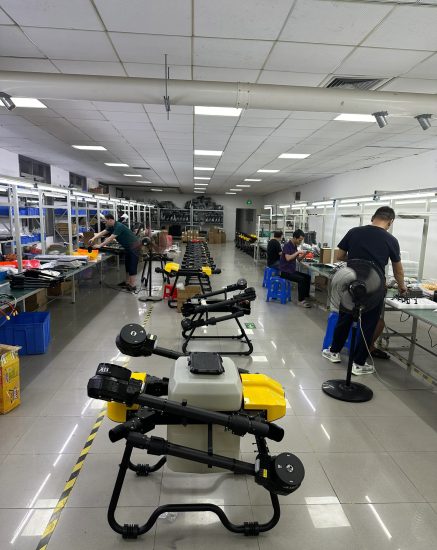
5. Choose a Reliable Drone Manufacturer
When buying drones from China, international buyers should consider:
- Manufacturer experience
- Product certifications
- After-sales support
- Spare parts availability
- OEM customization capability
Working with an experienced agricultural drone supplier can reduce purchasing risks and ensure long-term operation.
6. FAQ About Agricultural Drones
Q1: How much land can an agricultural drone spray per hour?
The coverage depends on drone capacity, battery performance, crop type, and operation conditions. Large-capacity drones can usually cover more farmland in less time.
Q2: Can agricultural drones be customized?
Yes. Many manufacturers provide OEM services, including customized logo, battery capacity, spraying systems, and software functions.
Q3: Are agricultural drones suitable for small farms?
Yes. Small and medium-sized farms can choose compact drones with lower payload capacity for efficient crop management.
Q4: How do I import agricultural drones from China?
Buyers usually need to confirm product specifications, shipping methods, customs requirements, and local drone regulations before importing.
Choosing the right agricultural drone requires careful consideration of payload capacity, battery performance, spraying technology, and supplier reliability. A professional drone manufacturer can help you select the best solution according to your farming needs.
If you are looking for a reliable agricultural drone supplier, contact us for product details, OEM solutions, and international shipping support.


No comments yet