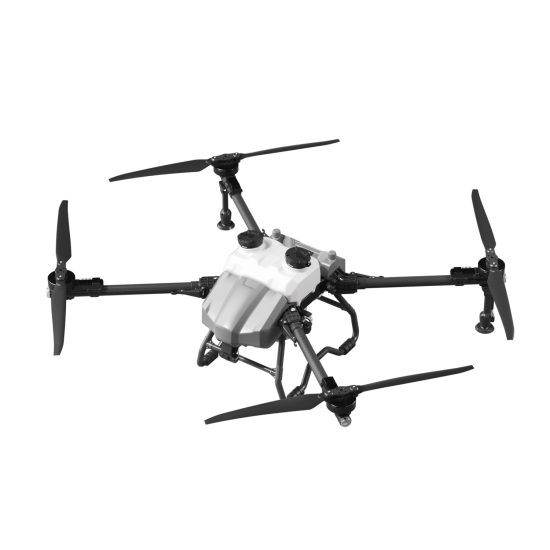


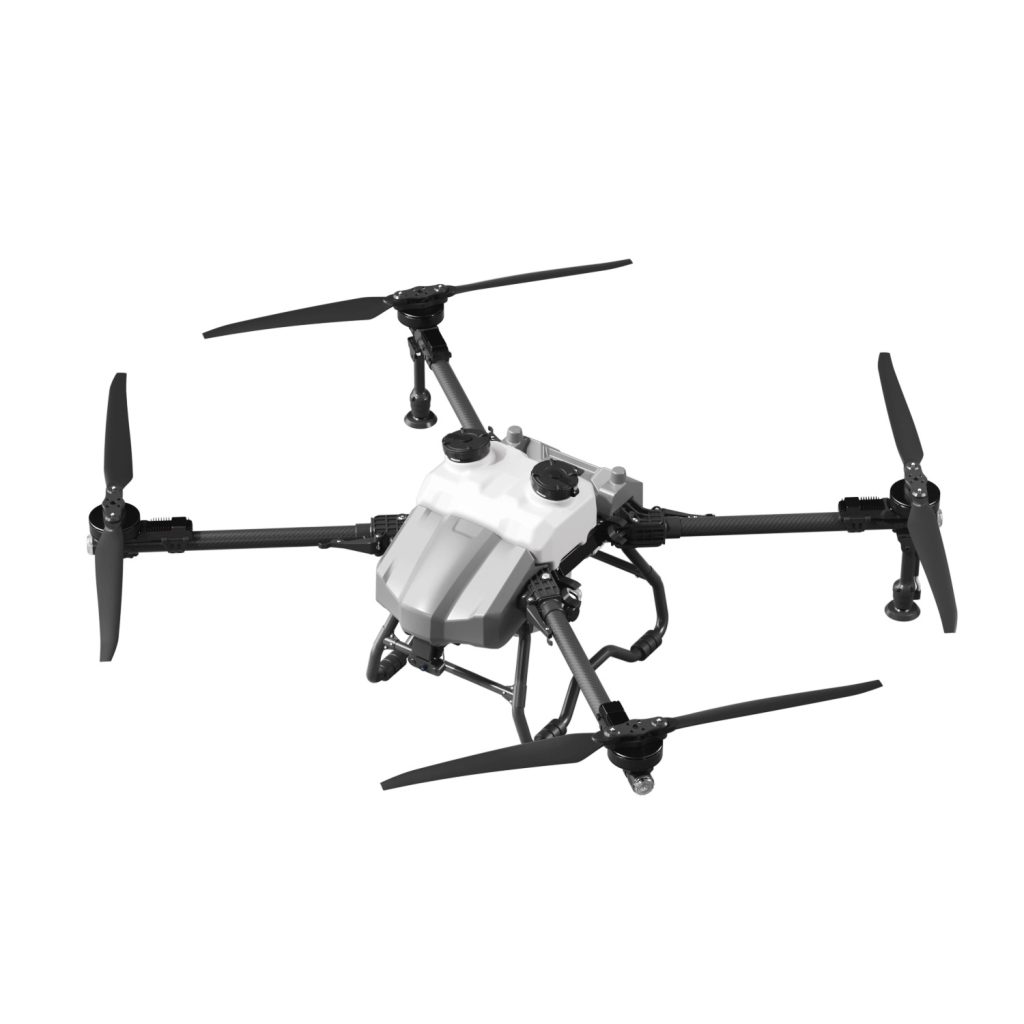
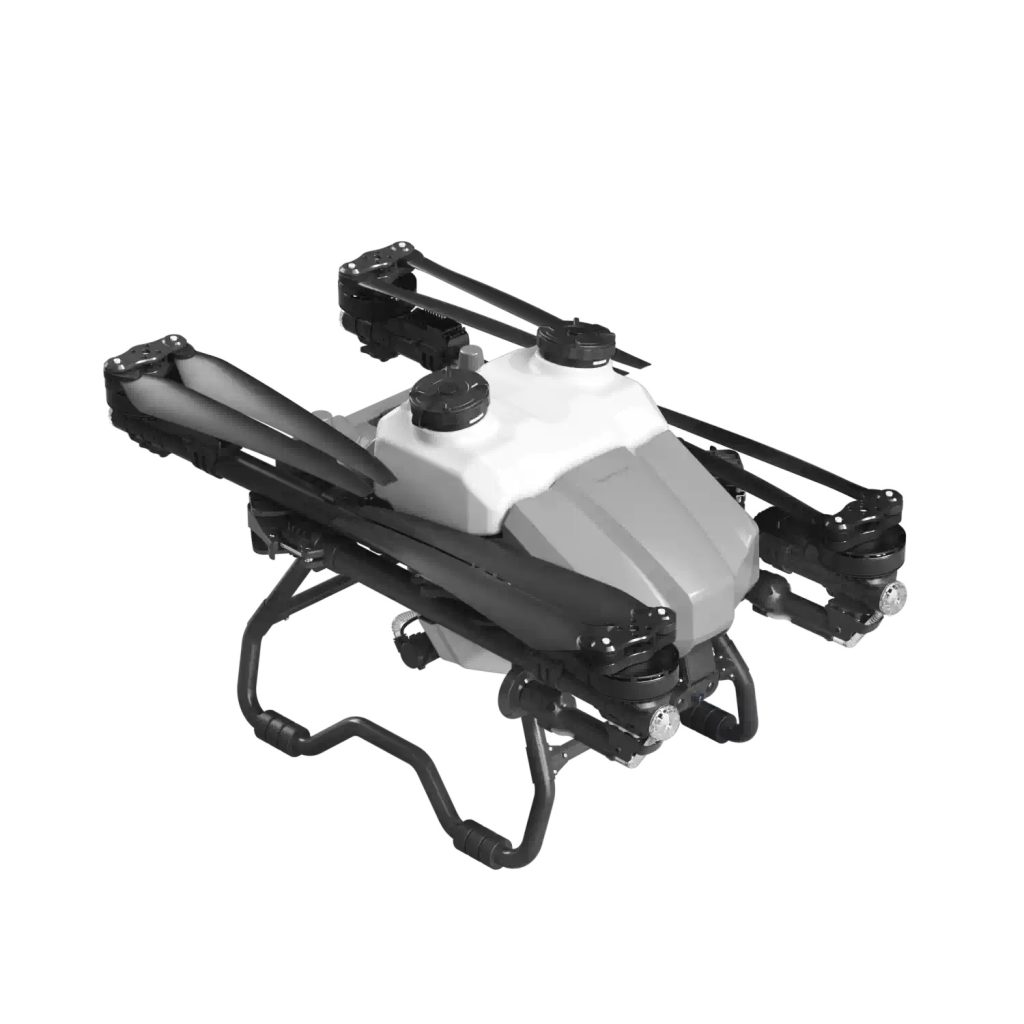

The battery is one of the most important components of an agricultural drone. It directly affects flight time, payload capacity, operating efficiency, and overall operating cost.
Many buyers focus mainly on the drone body and spraying system, but the battery and charging equipment are equally important. A suitable battery can help improve working efficiency, while an unsuitable battery may reduce flight time, increase downtime, and affect the long-term reliability of the drone.
This guide explains how to choose an agricultural drone battery based on capacity, voltage, flight time, charging performance, safety, and actual operating requirements.
1. Why Is the Battery So Important for an Agricultural Drone?
Agricultural drones usually need to carry:
-
The drone frame
-
Motors
-
Flight control equipment
-
Spraying equipment
-
Liquid or granular materials
Compared with many consumer drones, agricultural drones often carry much heavier payloads. This means they require a powerful and reliable battery system.
The battery affects:
-
Flight time
-
Payload performance
-
Motor power
-
Operating efficiency
-
Charging frequency
-
Daily productivity
A battery with insufficient capacity may cause frequent landing and charging. A battery with poor performance may also reduce the efficiency of the entire agricultural operation.
2. Understand Battery Capacity
Battery capacity is commonly measured in ampere-hours (Ah) or watt-hours (Wh).
A higher-capacity battery can generally store more energy. However, battery capacity should not be considered independently.
Actual flight time is also affected by:
-
Drone weight
-
Payload
-
Motor efficiency
-
Flight speed
-
Wind conditions
-
Temperature
-
Operating altitude
For example, a drone carrying a full tank will normally consume more power than a drone flying without a payload.
Therefore, buyers should ask about the expected flight time under actual working conditions rather than relying only on the battery capacity number.
3. Voltage Must Match the Agricultural Drone
Battery voltage is another important specification.
The battery must be compatible with:
-
Motors
-
Electronic speed controllers
-
Flight control systems
-
Power distribution systems
-
Charging equipment
Using an unsuitable voltage can damage electrical components or cause unstable operation.
When replacing or purchasing a battery, buyers should confirm that the voltage matches the complete drone system.
For customized agricultural drones, the battery system should be designed together with the motors and other electrical components.
4. Battery Capacity and Flight Time
Many buyers want the longest possible flight time. However, a larger battery does not always automatically provide a longer flight time.
A larger battery also adds weight. The drone must consume additional energy to carry the heavier battery.
Therefore, battery design requires a balance between:
-
Energy capacity
-
Battery weight
-
Payload
-
Motor efficiency
-
Overall drone design
The best battery is not necessarily the one with the largest capacity. It is the one that provides the best balance between energy storage and total drone weight.
5. How Does Payload Affect Battery Performance?
Payload has a significant effect on power consumption.
When an agricultural drone carries more liquid or granular material:
-
Motor power requirements increase
-
Battery consumption increases
-
Flight time may decrease
-
The drone may require more frequent recharging
This is why buyers should ask for flight time under realistic conditions.
Important questions include:
-
What is the flight time without a payload?
-
What is the flight time with a normal working payload?
-
How much flight time remains when the tank is full?
-
How does the battery perform in windy conditions?
Real-world operating data is often more useful than maximum laboratory specifications.
6. Battery Cycle Life Matters for Professional Users
Battery cycle life refers to the number of charge and discharge cycles a battery can complete while maintaining acceptable performance.
For professional agricultural operations, batteries may be used frequently during the farming season.
Battery life can be affected by:
-
Charging habits
-
Storage conditions
-
Operating temperature
-
Depth of discharge
-
Charging speed
-
Battery management
A battery with a longer service life may provide better long-term value even if the initial purchase cost is higher.
Professional users should also monitor battery performance over time and replace batteries when their capacity or safety performance significantly declines.
7. Fast Charging Can Improve Daily Productivity
Charging speed is especially important for agricultural service providers.
A slow charging system may create unnecessary downtime between flights.
A faster charging system can help:
-
Reduce waiting time
-
Improve daily operating efficiency
-
Support multiple battery rotations
-
Increase the usable operating time of the drone
However, fast charging should be properly matched to the battery.
An unsuitable charging system may cause excessive heat or reduce battery life.
The charger, battery, and drone power system should be considered as one complete system.
8. Battery Temperature Management Is Important
Agricultural drone batteries may operate outdoors under different weather conditions.
High temperatures can affect battery performance and safety.
Low temperatures can also reduce available battery capacity.
A suitable battery management system may monitor:
-
Temperature
-
Voltage
-
Current
-
Remaining capacity
-
Charging status
If the battery becomes excessively hot, the operator should stop and inspect the system according to the manufacturer’s operating instructions.
Proper storage and charging conditions can help improve battery performance.
9. Battery Safety Should Always Be a Priority
Agricultural drone batteries store a large amount of energy.
Safe operation requires:
-
Using a compatible charger
-
Avoiding damaged batteries
-
Checking for swelling
-
Preventing short circuits
-
Keeping batteries away from excessive heat
-
Following correct charging procedures
-
Storing batteries properly
A battery should not be used if it shows obvious damage or abnormal behavior.
Operators should also inspect the battery before every major operation.
10. How Many Batteries Does an Agricultural Drone Need?
The number of batteries required depends on the daily workload.
A small farm with limited operations may require fewer batteries.
A professional agricultural service provider may need several batteries for rotation.
A common operating process may involve:
-
Battery A is used for flight.
-
Battery B is being charged.
-
Battery C is ready for the next operation.
This type of rotation can help reduce downtime.
When planning the battery system, buyers should consider:
-
Daily operating hours
-
Charging time
-
Number of flights
-
Field distance
-
Available power supply
11. Choosing the Right Charger
The charger should be compatible with the battery system.
Important factors include:
-
Input voltage
-
Output voltage
-
Charging current
-
Charging time
-
Safety protection
-
Number of batteries supported
For commercial operations, a multi-battery charging system may improve efficiency.
However, the charging system should be installed and operated according to the appropriate safety requirements.
12. Battery Transportation Requires Careful Planning
For international buyers, battery transportation can be more complicated than transporting the drone body.
Before shipping, buyers should confirm:
-
Battery type
-
Battery capacity
-
Packaging requirements
-
Transportation method
-
Required documentation
-
Destination-country regulations
Different transportation methods may have different requirements.
For international wholesale purchases, buyers should discuss battery transportation arrangements before placing the order.
13. How to Store Agricultural Drone Batteries
Proper storage can help extend battery service life.
Important considerations may include:
-
Avoiding extreme temperatures
-
Keeping batteries dry
-
Preventing physical damage
-
Following recommended storage charge levels
-
Checking battery condition regularly
Batteries should not be stored in unsuitable environments for long periods.
If the drone will not be used for an extended period, the battery should be stored according to the recommended storage procedures for that battery system.
14. Common Agricultural Drone Battery Problems
Short Flight Time
Possible causes include:
-
Battery aging
-
Excessive payload
-
Strong wind
-
Low temperature
-
Improper charging
-
High power consumption
Battery Overheating
Possible causes include:
-
Excessive charging current
-
High ambient temperature
-
Battery damage
-
Overloading
Battery Cannot Be Fully Charged
Possible causes include:
-
Charger problems
-
Battery aging
-
Cell imbalance
-
Protection system activation
Rapid Battery Drain
Possible causes include:
-
High payload
-
Motor problems
-
Strong wind
-
Battery degradation
-
Electrical system issues
If a battery behaves abnormally, it should be inspected before continued use.
15. How to Choose a Battery for Different Agricultural Operations
Small Farms
Consider:
-
Suitable capacity
-
Reasonable purchase cost
-
Easy charging
-
Convenient replacement
Large Farms
Consider:
-
Longer operating time
-
Multiple batteries
-
Efficient charging
-
Battery rotation
Agricultural Service Providers
Consider:
-
High cycle life
-
Fast charging
-
Multiple batteries
-
Reliable battery management
-
Easy maintenance
International Distributors
Consider:
-
Battery specifications
-
Transportation requirements
-
Replacement availability
-
Local electrical compatibility
-
Technical documentation
Frequently Asked Questions
How long can an agricultural drone battery last?
Actual flight time depends on the drone model, payload, battery capacity, weather, and operating conditions. Flight time with a full agricultural payload is usually shorter than no-load flight time.
Is a larger-capacity battery always better?
Not necessarily. A larger battery can store more energy but also adds weight. The best battery should match the drone’s complete power system.
How many batteries should I buy?
The number depends on your daily operating workload and charging speed. Professional operations may require multiple batteries for continuous rotation.
Can I use a different battery for my agricultural drone?
Only if the battery is fully compatible with the drone’s voltage, capacity, connectors, power system, and control requirements. Using an unsuitable battery can create safety and performance risks.
How can I extend battery service life?
Use a compatible charger, avoid extreme temperatures, store the battery correctly, prevent deep damage, and follow the recommended charging and storage procedures.
What should I do if the battery becomes swollen or damaged?
Stop using the battery and handle it according to appropriate battery safety procedures. Do not continue operating a visibly damaged battery.
Can agricultural drone batteries be customized?
For wholesale and OEM projects, battery capacity, configuration, branding, and charging systems may be customized depending on technical requirements and order volume.
Final Thoughts
The battery is a core component of an agricultural drone system. Choosing the right battery requires more than simply selecting the highest capacity.
Buyers should consider the relationship between battery capacity, voltage, weight, payload, flight time, charging speed, cycle life, temperature management, and safety.
For small farms, a practical and cost-effective battery configuration may be sufficient. For large farms and professional agricultural service providers, multiple batteries and efficient charging equipment can help improve daily productivity.
For international buyers, battery transportation, replacement parts, documentation, and local electrical requirements should also be considered before placing an order.
A properly matched battery system can help an agricultural drone operate more efficiently, reduce unnecessary downtime, and provide more reliable performance throughout the farming season.
THE END


No comments yet