



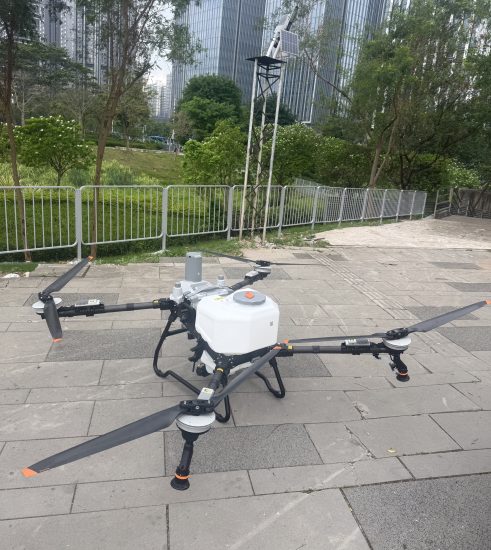
Modern agriculture is evolving rapidly as farmers seek more efficient ways to protect crops, reduce production costs, and maximize yields. Agricultural spraying drones have become one of the most valuable technologies in precision farming, helping growers apply pesticides, herbicides, fungicides, and liquid fertilizers with greater accuracy than traditional spraying methods.
Whether you manage a small farm, a large commercial plantation, or an agricultural service business, investing in advanced crop spraying drones can significantly improve productivity while supporting sustainable farming practices.
Why Crop Protection Matters
Healthy crops are the foundation of profitable agriculture. Insects, weeds, fungal diseases, and nutrient deficiencies can reduce yields and affect crop quality if they are not managed quickly.
Traditional spraying methods often face several challenges:
-
Uneven pesticide coverage
-
High labor costs
-
Excessive chemical usage
-
Crop damage caused by heavy machinery
-
Limited access to difficult terrain
-
Increased exposure of workers to pesticides
Agricultural spraying drones solve these problems through intelligent flight technology and precision spraying systems.
Precision Spraying Improves Crop Protection
One of the greatest advantages of agricultural spraying drones is their ability to deliver chemicals precisely where they are needed.
Using GPS navigation and automated flight planning, drones maintain consistent speed, altitude, and spray width throughout the operation.
This provides:
-
Uniform droplet distribution
-
Better leaf coverage
-
Reduced spray overlap
-
Fewer untreated areas
-
Lower chemical waste
Accurate spraying improves pest and disease control while reducing unnecessary pesticide applications.
Increase Crop Yields Through Better Coverage
Effective crop protection directly influences agricultural productivity.
When pests and diseases are controlled at the correct stage of crop development, farmers can expect:
-
Healthier plants
-
Faster crop growth
-
Improved fruit quality
-
Higher harvest rates
-
More consistent production
-
Increased profitability
Timely spraying is often the key to preventing crop losses.
Reduce Labor Requirements
Labor shortages continue to affect agriculture worldwide.
Agricultural spraying drones allow one trained operator to complete spraying tasks that previously required several workers.
Benefits include:
-
Lower labor expenses
-
Faster field operations
-
Reduced physical workload
-
Increased daily spraying capacity
This makes drone technology especially valuable during busy growing seasons.
Reduce Chemical Costs
Precision application helps minimize pesticide waste.
Modern spraying drones allow operators to adjust:
-
Spray flow rate
-
Flight speed
-
Spray width
-
Application volume
These settings help optimize chemical usage according to crop type and field conditions.
Lower pesticide consumption reduces production costs while supporting environmentally responsible farming.
Protect Crops in Difficult Terrain
Agricultural spraying drones can easily operate in areas where tractors or large spraying machines cannot reach.
Common applications include:
-
Rice fields
-
Tea plantations
-
Coffee farms
-
Vineyards
-
Citrus orchards
-
Apple orchards
-
Mountain farms
-
Terraced farmland
-
Vegetable farms
-
Wetlands
This flexibility allows farmers to protect crops more efficiently regardless of terrain.
Intelligent Technologies Improve Efficiency
Today’s agricultural spraying drones are equipped with advanced technologies, including:
-
High-precision GPS navigation
-
Automatic flight planning
-
Terrain following radar
-
Obstacle avoidance systems
-
Automatic return-to-home
-
Intelligent battery management
-
Real-time flight monitoring
-
Adjustable spraying systems
These intelligent functions improve operational accuracy while reducing operator workload.
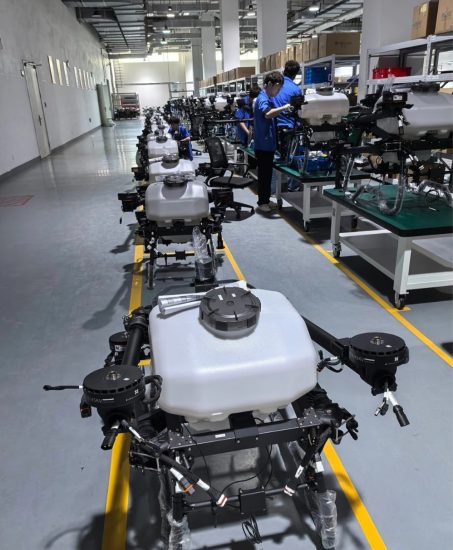
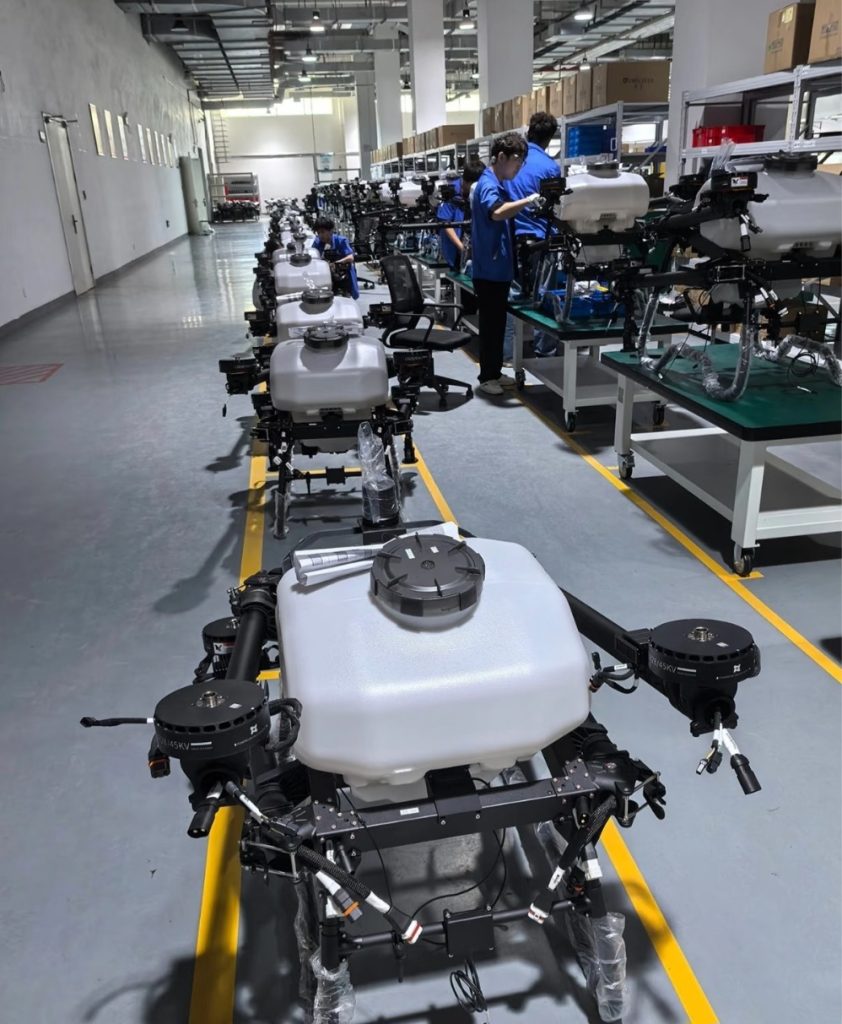
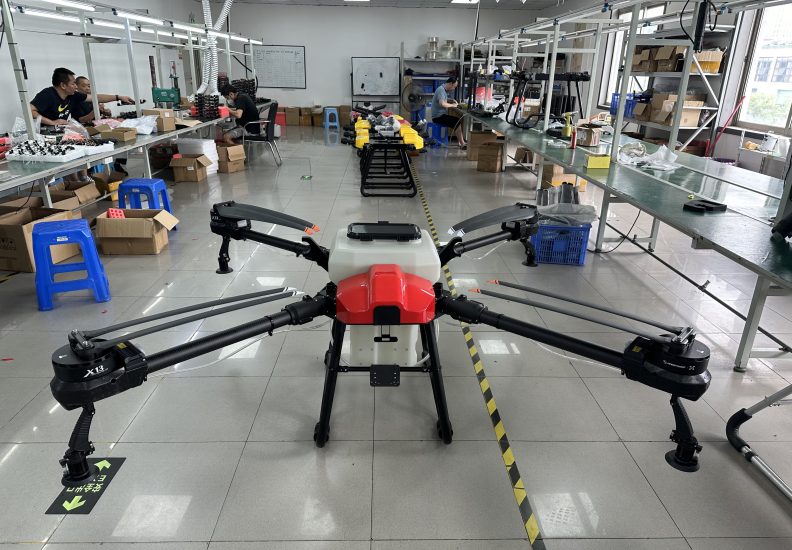
Choosing a Reliable Agricultural Spraying Drone Manufacturer
Selecting the right manufacturer is just as important as selecting the right drone.
Look for manufacturers that provide:
-
Strict quality control
-
Professional engineering support
-
OEM and ODM services
-
Spare parts availability
-
Software updates
-
Operator training
-
Technical documentation
-
Warranty service
Working directly with an experienced factory also provides better pricing and faster communication.
Industries That Benefit from Agricultural Spraying Drones
Agricultural spraying drones are widely used in:
-
Rice farming
-
Wheat production
-
Corn cultivation
-
Cotton farming
-
Soybean production
-
Sugarcane plantations
-
Tea gardens
-
Coffee plantations
-
Fruit orchards
-
Vegetable farms
-
Forestry pest management
-
Seed production
As precision agriculture expands globally, drone technology continues to become an essential farming tool.
Why More Farmers Are Choosing Drone Technology
Compared with conventional spraying equipment, agricultural drones provide:
-
Higher spraying efficiency
-
Lower operating costs
-
Better crop protection
-
Reduced pesticide waste
-
Improved worker safety
-
Faster return on investment
-
More environmentally friendly operations
These advantages explain why agricultural spraying drones are becoming standard equipment in modern agriculture.
FAQ
What crops can agricultural spraying drones protect?
Agricultural spraying drones are suitable for rice, wheat, corn, cotton, soybeans, vegetables, vineyards, tea plantations, coffee farms, citrus orchards, sugarcane, forestry, and many other crops.
Do spraying drones increase crop yields?
Yes. By improving spray accuracy, reducing pest and disease pressure, and ensuring timely application of crop protection products, spraying drones help improve crop health and can contribute to higher yields.
Can drones reduce pesticide use?
Yes. Precision spraying minimizes overlaps and missed areas, helping reduce chemical waste while maintaining effective crop protection.
Are agricultural spraying drones suitable for large commercial farms?
Absolutely. High-capacity agricultural drones are designed for commercial farming operations and can efficiently cover large areas in a short period.
What features should I look for in a spraying drone?
Important features include GPS navigation, automatic route planning, terrain following, obstacle avoidance, intelligent batteries, adjustable spray flow, and reliable after-sales support.
Why choose a professional agricultural spraying drone manufacturer?
A professional manufacturer provides high-quality products, OEM customization, technical support, spare parts, software updates, and long-term warranty services. Choosing an experienced manufacturer ensures better product reliability and long-term business value.
THE END


No comments yet