Weather Impact on Drone Spraying: Key Factors for Optimal Efficiency

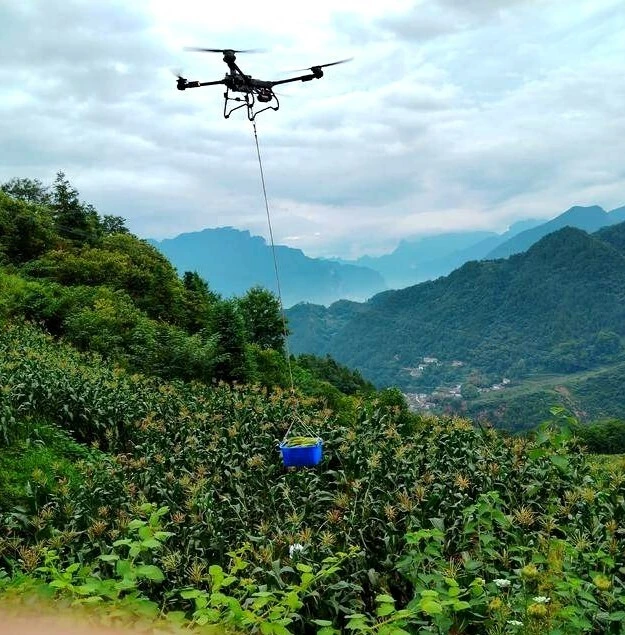
Drones have revolutionized agricultural practices, offering precision and efficiency in crop spraying. However, weather conditions play a pivotal role in determining the success of drone-based spraying operations. Understanding how weather affects drone performance ensures better crop management, resource optimization, and environmental safety. Below, we explore the critical weather factors influencing drone spraying and actionable strategies to mitigate risks.
—
1. Wind Speed and Direction
Wind is one of the most significant variables affecting drone spraying. While light winds (below 10 mph) can aid in dispersing sprays evenly, stronger gusts disrupt flight stability and spray accuracy. High winds may:
– Cause droplet drift, reducing chemical coverage on target crops.
– Increase off-target contamination, risking nearby ecosystems or non-target plants.
– Challenge drone control, leading to inconsistent flight paths or battery drain.
Best Practice: Operate drones in wind speeds under 15 mph. Use nozzles designed to produce larger droplets, which are less prone to drift. Always monitor real-time wind data via weather apps before and during operations.
—
2. Temperature and Humidity
Temperature and humidity directly influence spray evaporation rates and chemical efficacy.
– High temperatures accelerate droplet evaporation, reducing the amount of liquid reaching crops.
– Low humidity exacerbates evaporation, especially in arid climates.
– Cold temperatures may thicken certain chemicals, clogging nozzles or altering spray patterns.
Best Practice: Spray during early morning or late afternoon when temperatures are moderate and humidity is higher. Adjust chemical mixtures to account for temperature-related viscosity changes.
—
3. Precipitation and Moisture
Rainfall before, during, or after spraying can drastically alter outcomes:
– Pre-spray rain may wash away chemicals, reducing effectiveness.
– Mid-spray rain dilutes sprays, wasting resources and lowering coverage.
– Post-spray rain within 24 hours can rinse off unabsorbed chemicals.
Additionally, moisture from dew or high humidity might interfere with drone sensors or cause electrical malfunctions.
Best Practice: Avoid spraying if rain is forecasted within 6–8 hours. Use water-resistant formulations where possible.
—
4. Solar Radiation and Light Conditions
Bright sunlight affects both drone performance and chemical behavior:
– UV radiation can degrade certain pesticides, reducing their potency.
– Glare may interfere with drone cameras, hindering navigation and obstacle avoidance.
– Low light (e.g., dawn/dusk) challenges visibility for manual pilots or autonomous systems.
Best Practice: Schedule spraying during overcast days or use UV-stable chemicals. Ensure drones are equipped with high-quality cameras and LiDAR for low-light precision.
—
5. Air Density and Altitude
Air density, influenced by altitude and weather, impacts drone lift capacity and spray distribution. At higher altitudes or in thin air, drones may struggle to carry heavy payloads, while dense air (common in humid or cold conditions) can enhance propeller efficiency.
Best Practice: Calibrate drone payloads and flight parameters based on local altitude and air density readings.
—
Optimizing Drone Spraying for Weather Variability
To maximize spraying efficiency across changing weather:
1. Leverage Weather Forecasting Tools: Use hyperlocal weather apps to track real-time conditions.
2. Adapt Spray Formulations: Choose chemicals suited to local climate (e.g., anti-evaporation agents for dry regions).
3. Invest in Smart Drones: Opt for models with wind-resistant designs, humidity sensors, and automated path correction.
—
Conclusion
Weather is an unavoidable factor in drone spraying, but proactive planning and technology can minimize its impact. By aligning operations with ideal weather windows and adopting adaptive strategies, farmers and operators can ensure precise, cost-effective, and eco-friendly crop management. As drone technology evolves, integrating AI-driven weather analytics will further enhance resilience against climatic challenges.
Keywords: weather impact on drone spraying, drone spraying efficiency, best weather for crop spraying, wind and drone spraying, temperature effects on agricultural drones
—

No reply content