The Future of Agriculture: The Role of Drones in Precision Farming

In recent years, agricultural technology has seen significant advancements, and one of the most groundbreaking innovations is the use of agricultural drones. These unmanned aerial vehicles (UAVs) are transforming farming by improving crop monitoring, enhancing efficiency, and promoting sustainable practices. In this article, we explore the role of agricultural drones in modern farming and how they are reshaping the industry for the better.
What Are Agricultural Drones?
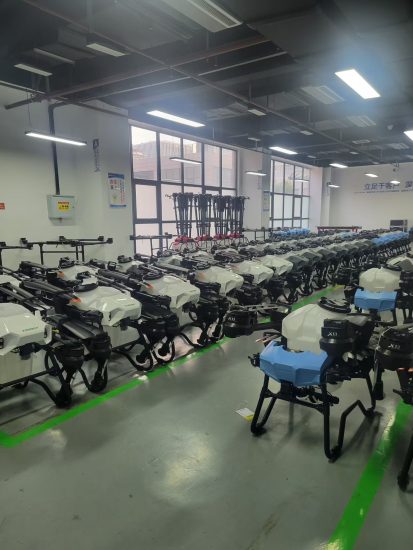
Agricultural drones are specialized UAVs designed for use in farming applications. These drones are equipped with advanced sensors, cameras, and GPS systems that allow them to collect valuable data on crop health, soil conditions, and overall farm productivity. They can be used for a variety of tasks, including crop spraying, field mapping, and monitoring plant health in real-time.
Key Benefits of Agricultural Drones
Precision Farming
Precision farming is a major advantage of using agricultural drones. Drones provide farmers with detailed, high-resolution images and data that allow them to make more informed decisions. By analyzing this data, farmers can identify specific areas that need attention, whether it’s pest control, irrigation, or fertilization. This level of precision reduces waste, minimizes chemical usage, and optimizes crop yields.
Increased Efficiency and Reduced Costs
Traditionally, field monitoring and crop management required significant labor and time. With drones, farmers can cover large areas in a fraction of the time it would take using manual methods. This increased efficiency leads to lower operational costs and more time to focus on other aspects of farm management.
Real-Time Monitoring and Data Collection
One of the standout features of agricultural drones is their ability to provide real-time data on crop health. Through the use of multispectral and thermal cameras, drones can detect changes in plant health before they are visible to the naked eye. This allows farmers to intervene early and address potential issues, preventing significant crop losses.
Improved Sustainability
Sustainability is a growing concern in modern agriculture. Drones contribute to sustainable farming practices by minimizing the overuse of pesticides and fertilizers. By using precision spraying techniques, drones can apply these chemicals only where necessary, reducing environmental impact and promoting healthier ecosystems.
Easy Integration with Farm Management Systems
Agricultural drones are designed to integrate seamlessly with existing farm management systems. The data collected by drones can be easily uploaded to cloud-based platforms, where it can be analyzed and used to optimize farm operations. This integration simplifies data management and makes it easier for farmers to track progress and adjust strategies.
Applications of Agricultural Drones
Crop Spraying and Fertilization
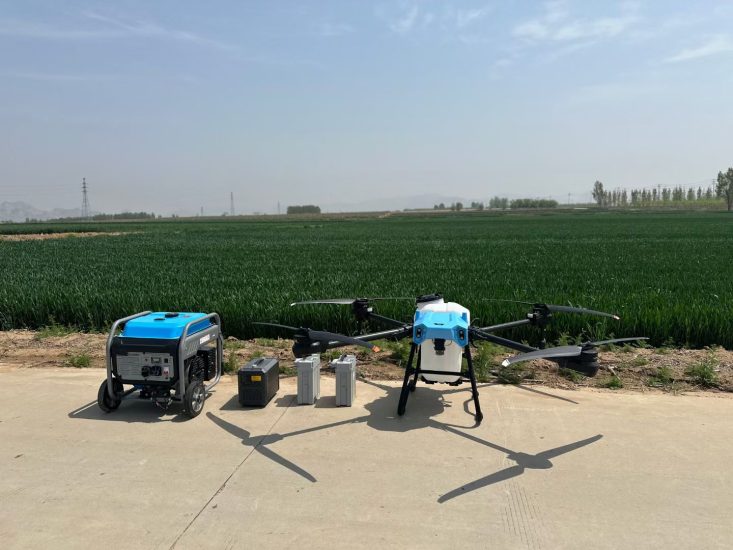
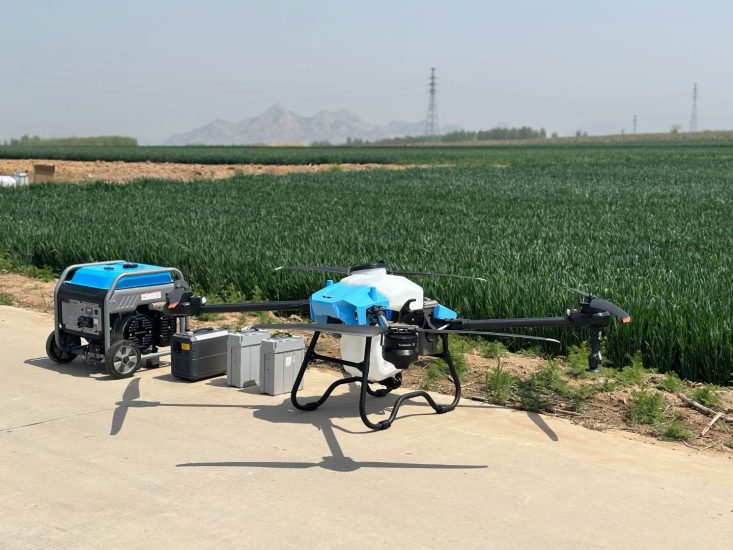
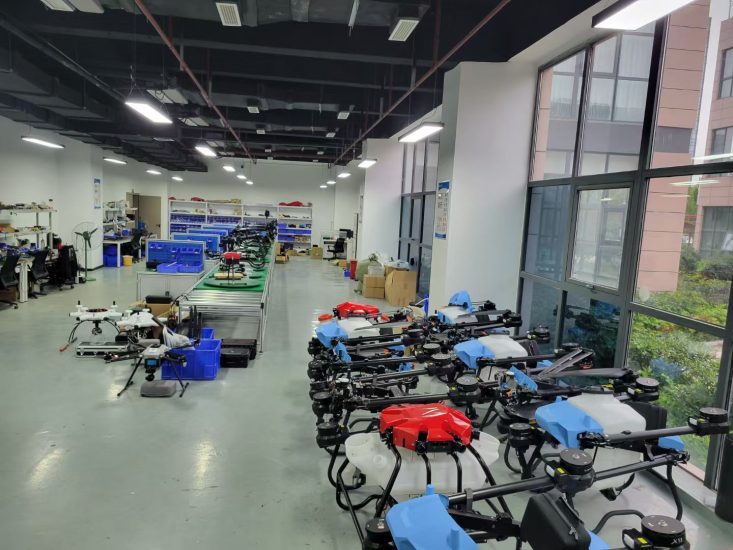
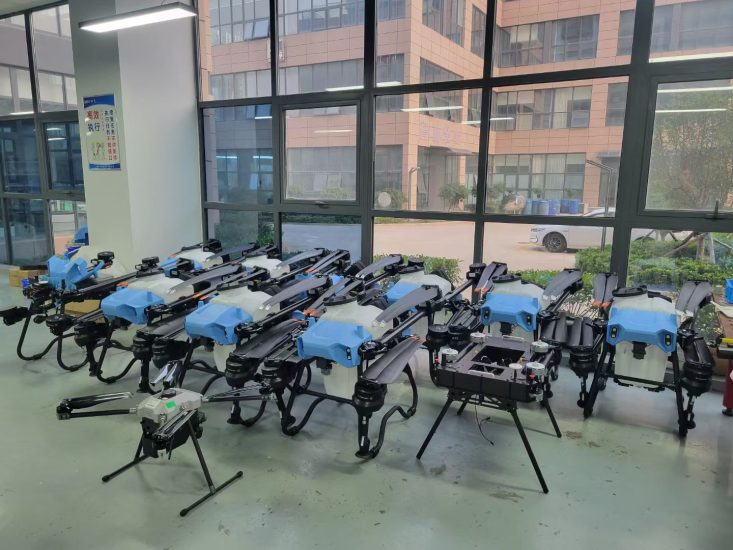
Agricultural drones equipped with spraying systems can efficiently distribute fertilizers, pesticides, and herbicides over large areas. This process, known as “precision spraying,” ensures that chemicals are applied only to the necessary areas, reducing waste and environmental impact.
Field Mapping and Crop Monitoring
Drones provide detailed aerial imagery that helps farmers map out fields and monitor crop conditions. These maps can be used to detect crop diseases, track growth patterns, and assess soil health. The ability to quickly analyze these maps enables farmers to take timely action, improving overall crop performance.
Irrigation Management
Drones can assist with irrigation management by identifying areas of a field that require more or less water. By analyzing thermal images, drones can detect moisture levels in the soil and help farmers optimize their irrigation schedules, conserving water and ensuring that crops receive the right amount of hydration.
The Future of Agricultural Drones
The future of agricultural drones is incredibly promising. As drone technology continues to evolve, we can expect even greater precision and efficiency in farming practices. The integration of artificial intelligence (AI) and machine learning will allow drones to analyze data more accurately and make real-time decisions on behalf of farmers. Additionally, the development of autonomous drones will further reduce the need for human intervention, making farming even more streamlined and cost-effective.
Conclusion
Agricultural drones are quickly becoming an essential tool for modern farmers. By providing precision, improving efficiency, and promoting sustainability, these UAVs are revolutionizing the way we approach farming. As technology continues to advance, the role of agricultural drones will only grow, helping farmers to overcome challenges and build a more sustainable and profitable future for agriculture.

No reply content