Crop Irrigation Drones: Revolutionizing Agricultural Watering Solutions

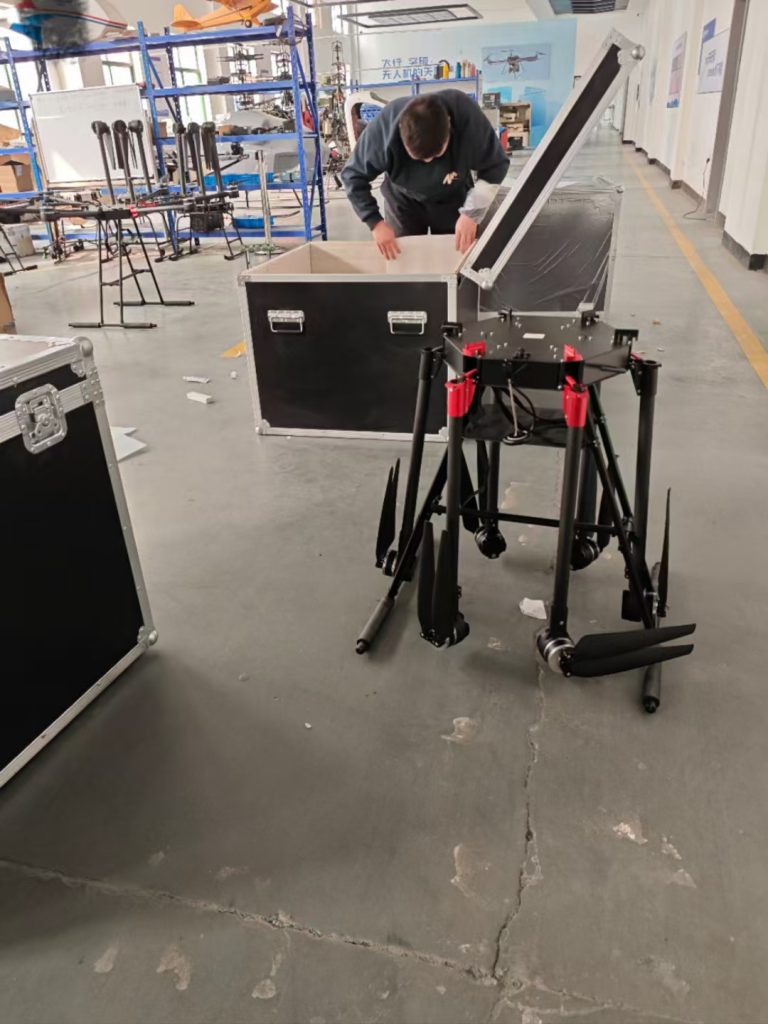
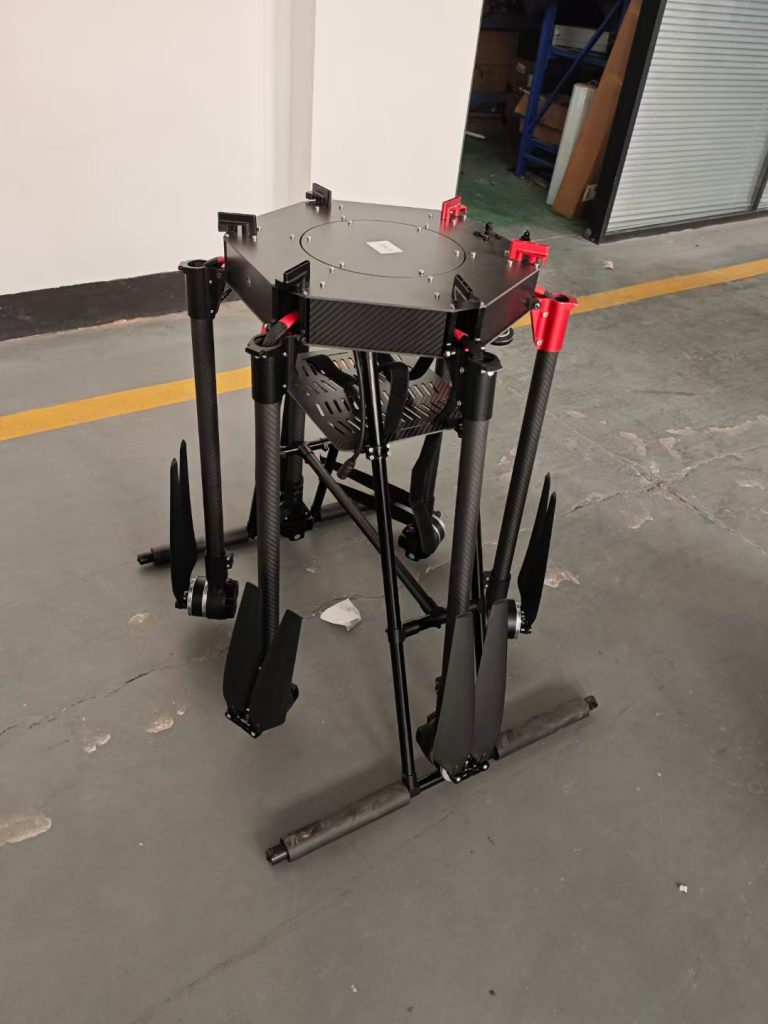

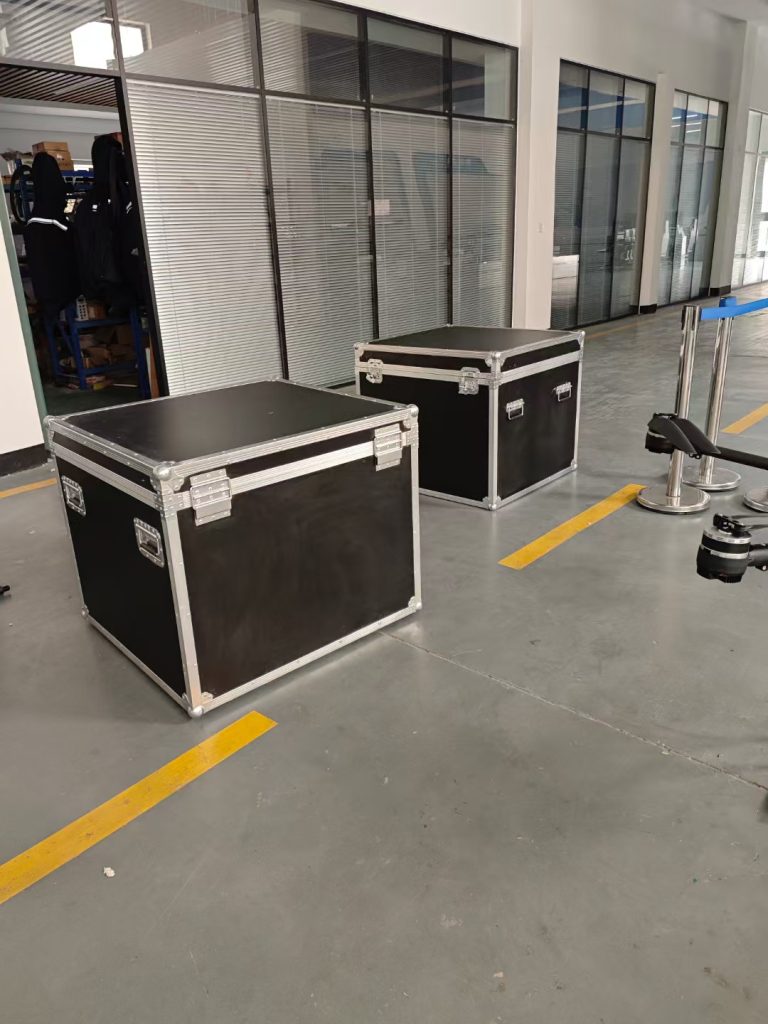
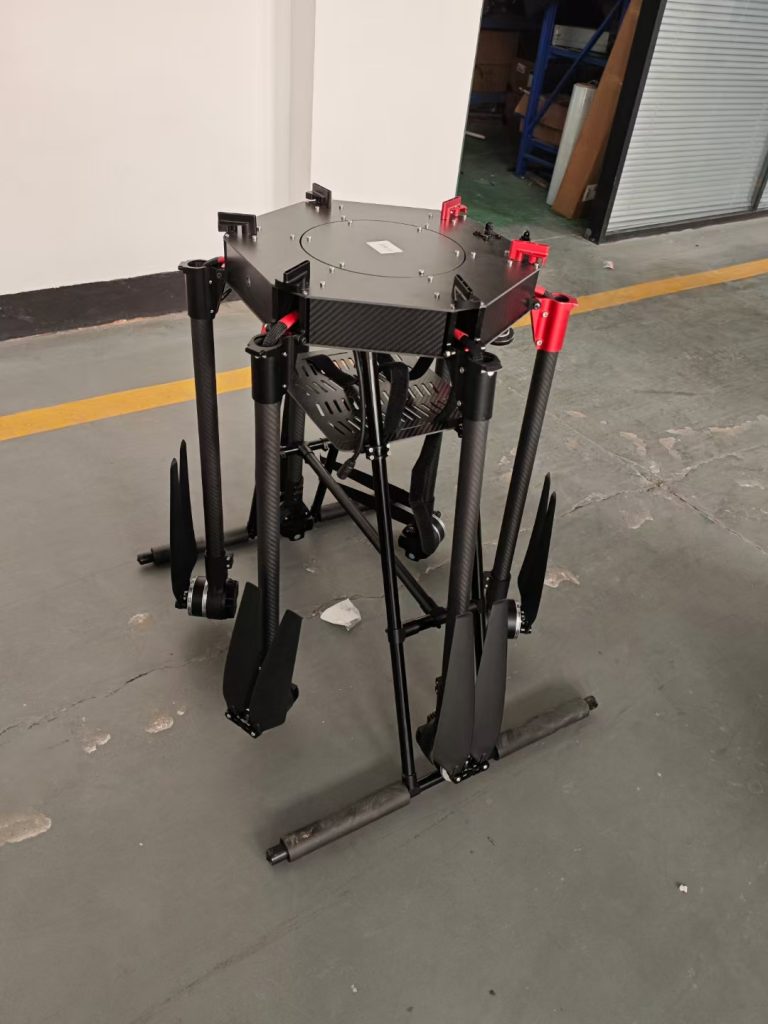
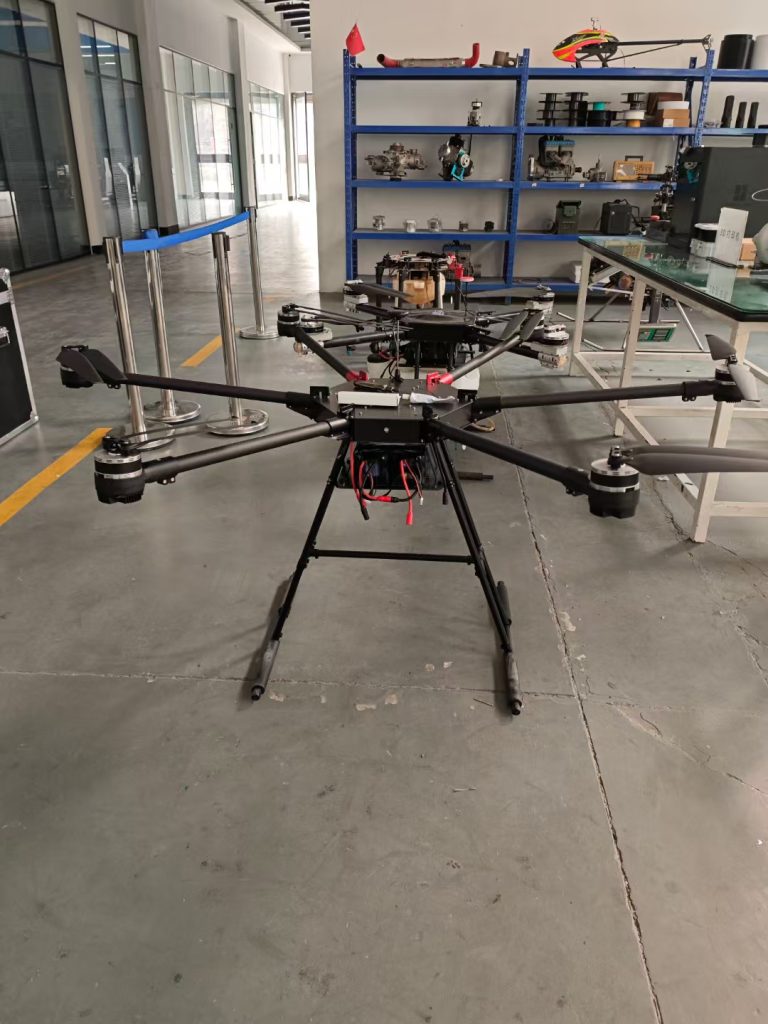
In modern agriculture, efficiency and sustainability are key to meeting the growing global demand for food. As an agricultural drone manufacturer, we understand the critical role that innovative technology plays in transforming traditional farming practices. One such advancement is the use of crop irrigation drones, which are redefining how water is delivered to crops. This article explores the benefits, functionality, and future potential of drones designed for crop watering, offering a glimpse into a smarter, greener agricultural landscape.
The Need for Precision in Crop Irrigation
Water is the lifeblood of agriculture, but traditional irrigation methods—such as flood irrigation or sprinkler systems—often lead to inefficiencies. Overwatering, uneven distribution, and water wastage are common challenges faced by farmers. These issues not only increase operational costs but also strain limited water resources. Crop irrigation drones address these problems by providing a precise, targeted approach to watering, ensuring that crops receive the right amount of moisture exactly where it’s needed.
How Crop Irrigation Drones Work
Our agricultural drones are engineered to streamline the irrigation process with cutting-edge technology. Equipped with advanced sensors, these drones can assess soil moisture levels, crop health, and weather conditions in real time. Here’s how they operate:
Data Collection: The drone flies over the field, using infrared cameras and moisture sensors to map areas requiring water.
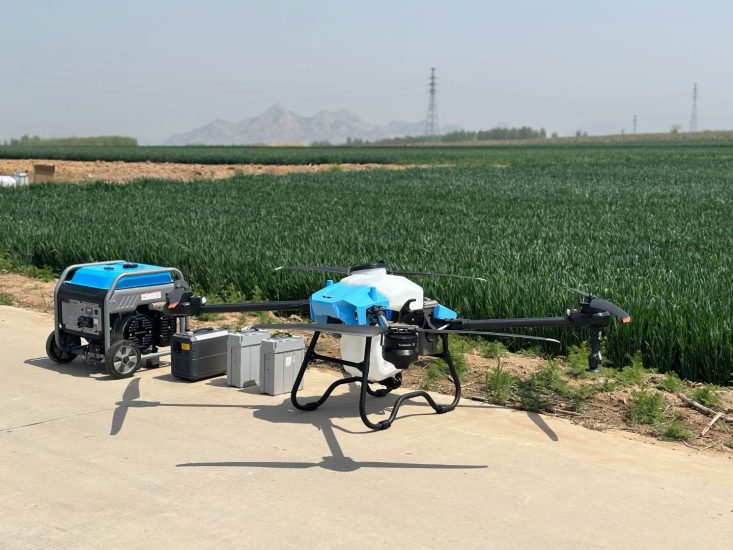
Water Delivery: A lightweight, high-capacity water tank or spraying system is integrated into the drone, allowing it to release water or nutrient solutions with pinpoint accuracy.
Autonomous Operation: Guided by GPS and pre-programmed flight paths, the drone ensures uniform coverage while avoiding over-saturation.
This process minimizes human effort, reduces water usage, and optimizes crop growth, making it an ideal solution for farms of all sizes.
Benefits of Using Drones for Crop Watering
The adoption of crop irrigation drones offers numerous advantages for farmers seeking to enhance productivity and sustainability:
Water Conservation: By targeting only the areas that need hydration, drones significantly reduce water waste compared to traditional methods.
Time Efficiency: Covering large fields in a fraction of the time it takes manual or ground-based systems, drones allow farmers to focus on other critical tasks.
Cost Savings: Lower water usage and reduced labor translate into long-term savings, despite the initial investment in drone technology.
Improved Crop Health: Precise watering prevents root damage from overwatering and ensures consistent moisture levels, leading to higher yields.
Accessibility: Drones can reach difficult terrains—such as hilly or uneven land—where conventional irrigation systems struggle to operate.
Applications Beyond Watering
While irrigation is the primary focus, our drones are versatile tools that can multitask to support farmers. For instance, they can be adapted to spray liquid fertilizers or pesticides alongside water, providing a holistic approach to crop care. This multifunctionality maximizes the value of the technology and enhances overall farm management.
Overcoming Challenges in Drone Irrigation
Despite their potential, crop irrigation drones face certain challenges that we are actively addressing. Payload capacity, for example, limits the amount of water a drone can carry in a single flight. To counter this, our designs prioritize lightweight materials and efficient spraying systems to maximize coverage per trip. Battery life is another consideration, and advancements in energy-efficient motors and solar-powered options are helping extend flight times. By continually refining our technology, we aim to make drone irrigation a practical choice for every farmer.
The Future of Crop Irrigation Drones
The future of agricultural watering lies in automation and sustainability, and drones are at the forefront of this evolution. As artificial intelligence and machine learning continue to advance, we envision drones that can predict irrigation needs based on historical data and real-time environmental factors. Integration with smart farming systems—such as weather stations and soil sensors—will further enhance their precision. Additionally, eco-friendly innovations, like biodegradable components and renewable energy sources, will align drone irrigation with global sustainability goals.
Conclusion
Crop irrigation drones represent a game-changing solution for modern agriculture, blending precision, efficiency, and environmental responsibility. As an agricultural drone manufacturer, we are proud to contribute to this transformation, empowering farmers with tools that optimize water use and boost productivity. Whether you manage a small plot or a vast plantation, integrating drone technology into your irrigation strategy can pave the way for healthier crops and a more sustainable future. Ready to explore the possibilities? Contact us to learn how our drones can elevate your farming operations!

No reply content