Beyond the Hose: Why Every Farmer Needs an AI-Pilot for Crop Watering”

The Power of Aerial Intelligence
Gone are the days of relying solely on human observation or ground-based sensors. Agricultural drones offer a bird’s-eye view of fields, capturing high-resolution images and multispectral data that reveal critical insights. Using infrared and thermal sensors, drones can identify moisture levels in soil, detect early signs of water stress in plants, and map irrigation needs with unprecedented accuracy. This allows farmers to target watering precisely, avoiding overuse or under-supply of water—a precious resource in a changing climate.
Tailored Solutions for Every Crop
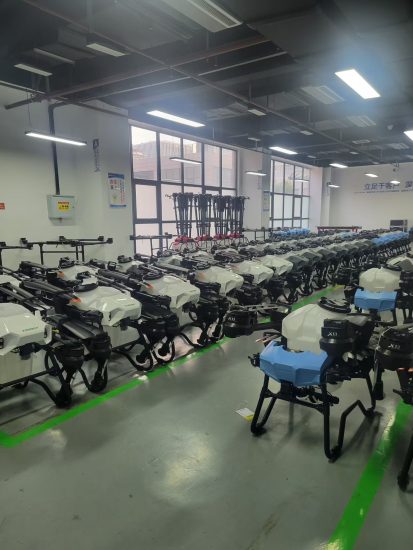
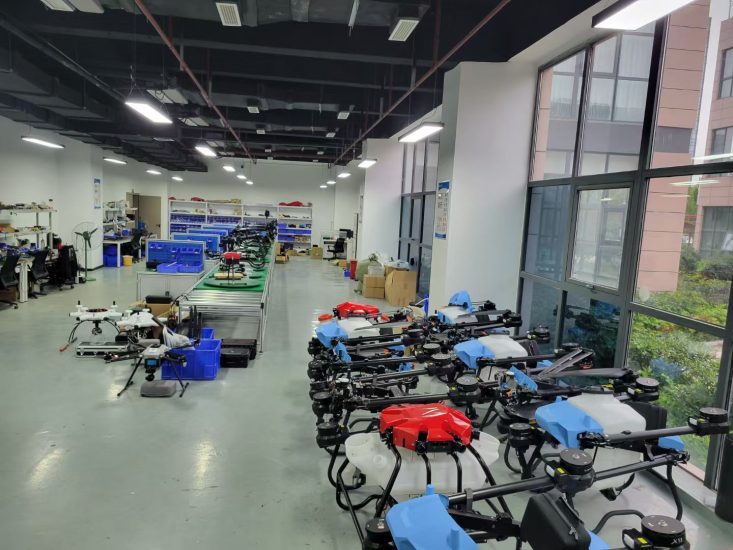
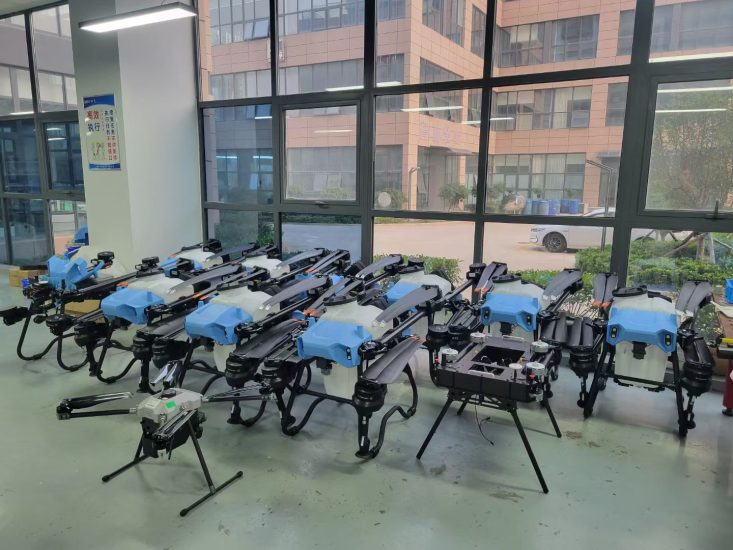
Drones are versatile tools designed to adapt to diverse agricultural landscapes. For vast fields of wheat or corn, they can distribute water uniformly, ensuring each plant receives optimal hydration. In orchards and vineyards, specialized drones navigate dense canopies to deliver water directly to root systems, minimizing waste. Even delicate crops like strawberries or leafy greens benefit from gentle, targeted misting that prevents damage while maintaining ideal moisture levels.
Beyond Watering: Integrated Crop Management
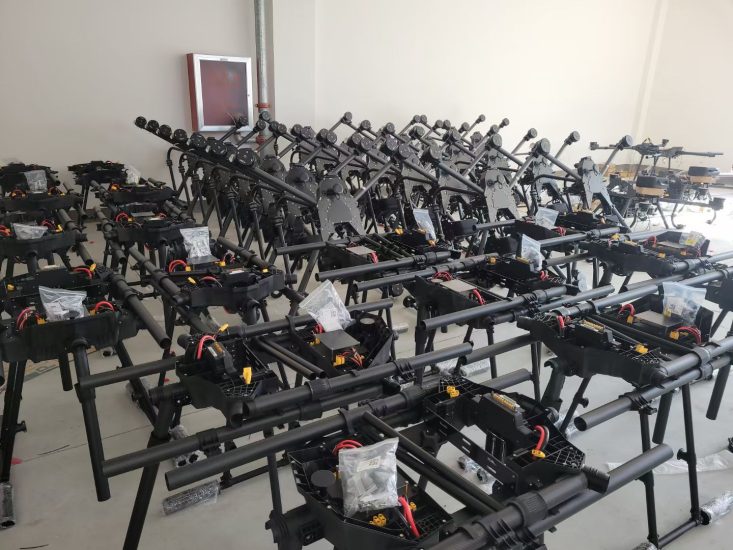
Modern agricultural drones are more than just watering systems. They serve as all-in-one platforms for crop health management. By integrating with smart irrigation systems, drones can analyze soil data and weather forecasts to adjust watering schedules dynamically. For example, after a rainfall, sensors might reduce irrigation automatically, conserving water. Conversely, during dry spells, drones can prioritize water allocation to vulnerable areas.
Additionally, many drones are equipped to apply fertilizers, pesticides, and herbicides with pinpoint accuracy. This reduces chemical usage by up to 30%, minimizing environmental impact while boosting crop resilience. Some models even use AI-powered analytics to distinguish between crops and weeds, ensuring treatments are applied only where necessary.
Efficiency and Cost Savings
The benefits of drone technology extend beyond precision. Farmers report significant time and labor savings, as drones can cover hundreds of acres in a single day—far faster than traditional methods. For instance, a single operator can manage a fleet of drones remotely, monitoring progress from a smartphone or tablet. This reduces the need for manual labor, addressing workforce shortages in rural areas.
Over time, the return on investment becomes evident. Reduced water and chemical costs, combined with higher crop yields, make drones a smart long-term investment. Case studies show that farms using drone-based irrigation systems achieve up to 15% higher productivity compared to conventional methods.

No reply content