From Drought to Deluge: How IoT-Powered Drones Are Revolutionizing Agricultural Water Management

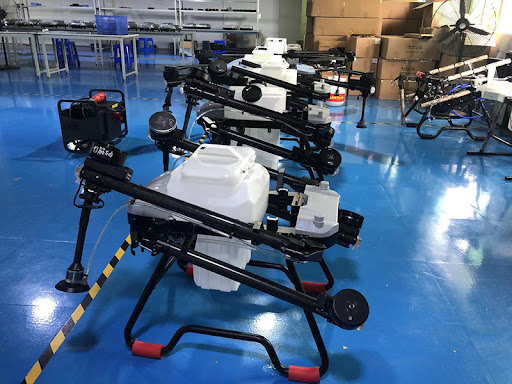
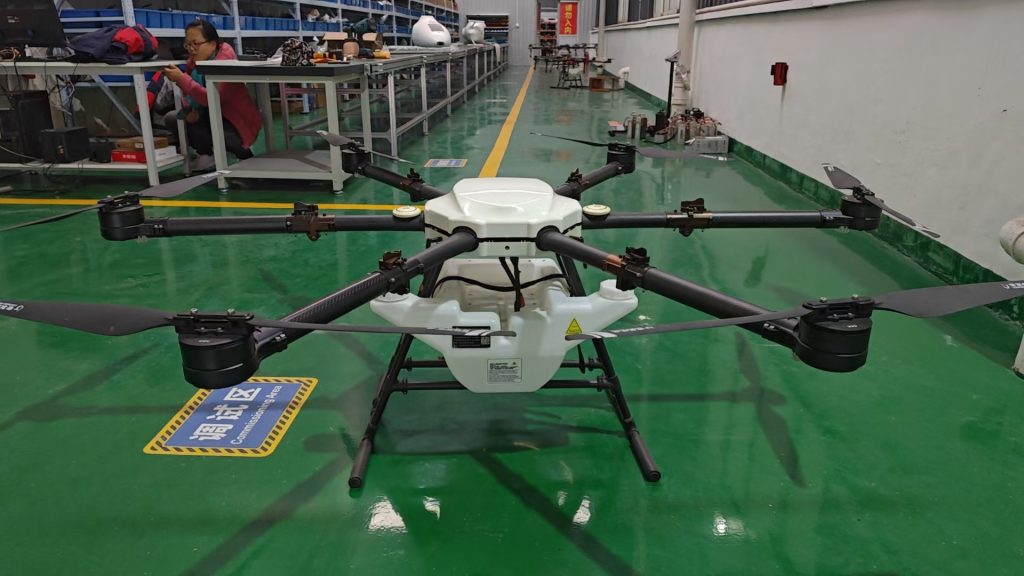
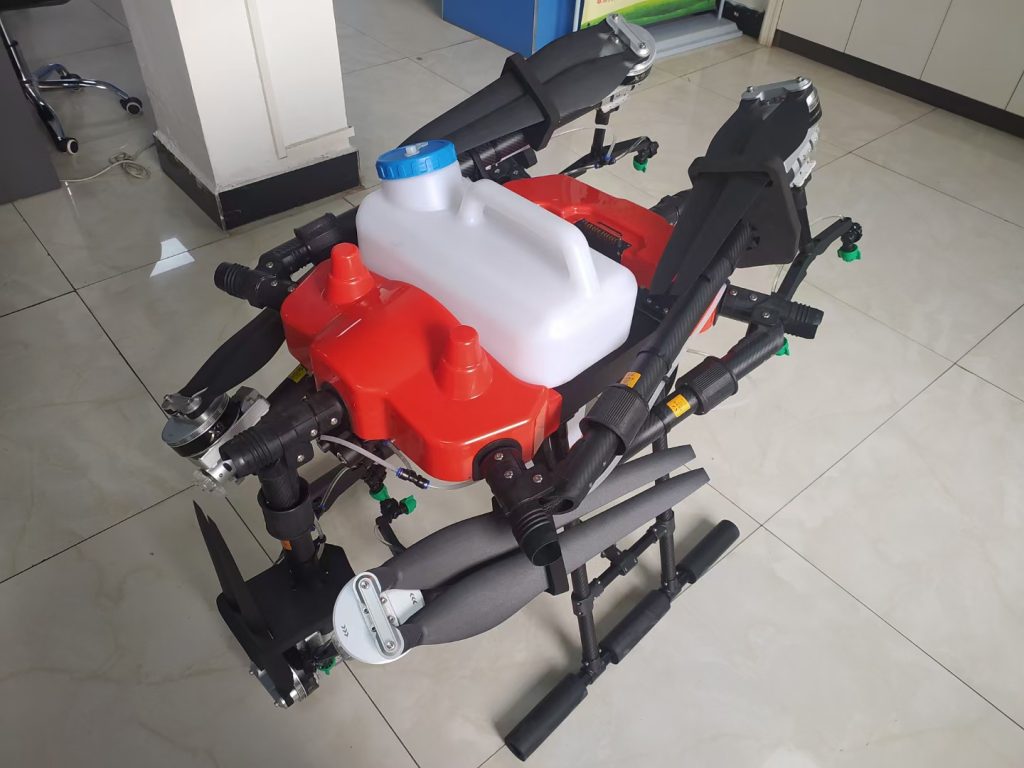
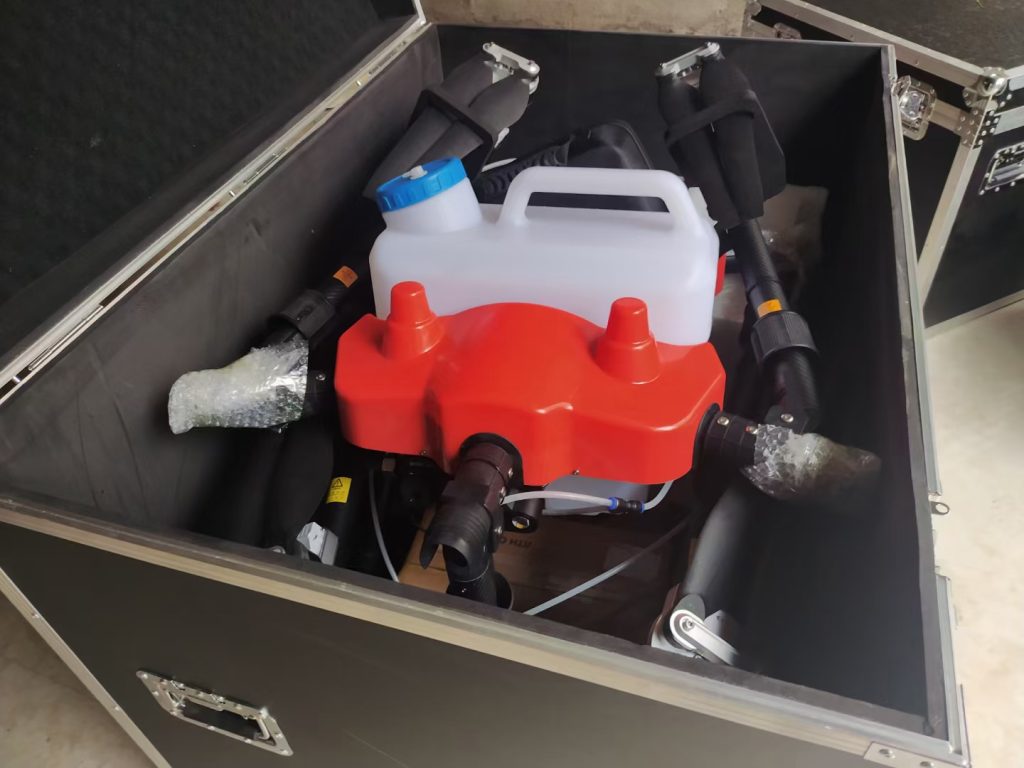
In an era where climate volatility threatens global food security, agriculture faces a paradoxical challenge: balancing the need for water conservation amid escalating droughts while ensuring crops receive adequate hydration. Traditional irrigation methods—often reliant on fixed schedules or visual inspections—have proven inefficient, wasting precious resources and risking crop health. Enter a transformative solution: IoT-powered drones. By merging unmanned aerial vehicles (UAVs) with advanced sensor technology and data analytics, farmers are shifting from reactive guesswork to proactive, precision-driven water management—turning potential deluges into targeted nourishment and droughts into manageable variables.
The Crisis of Conventional Irrigation
For decades, farmers have grappled with the unpredictability of rainfall and the inefficiency of outdated irrigation systems. Overwatering leads to runoff, soil erosion, and nutrient leaching, while underwatering stunts growth and reduces yields. In regions like sub-Saharan Africa, parts of India, and the American Southwest, where water scarcity is acute, these inefficiencies exacerbate poverty and threaten livelihoods. Even in areas with ample rainfall, erratic weather patterns demand greater adaptability.
Traditional approaches—such as manual soil sampling or satellite imagery—offer limited real-time insights. Soil moisture probes, though useful, provide localized data that fails to capture field-wide variability. Farmers often rely on intuition, leading to overcompensation or neglect. As climate change intensifies, this status quo is no longer sustainable.
IoT-Powered Drones: A New Paradigm
The integration of IoT sensors with drones has emerged as a game-changer. These “smart” UAVs are equipped with multispectral cameras, thermal sensors, and soil moisture detectors, enabling them to collect granular, real-time data across vast agricultural landscapes. Unlike satellites, which offer broad but infrequent snapshots, drones can fly low and frequently, capturing high-resolution images and sensor readings at specific times of day—critical for tracking changes in soil moisture, plant stress, and evaporation rates.
At the core of this system lies the IoT network: sensors embedded in the drone transmit data via wireless connectivity to cloud-based platforms. Here, machine learning algorithms analyze patterns, identifying zones of drought stress, overhydration, or optimal moisture levels. Farmers access these insights through user-friendly dashboards, receiving actionable recommendations—such as adjusting irrigation schedules, targeting specific field sections, or switching to drought-resistant crops.
Precision in Action: From Data to Decision-Making
Consider a wheat farm in a semi-arid region. A farmer deploys a drone at dawn, when evapotranspiration is lowest. The UAV flies a pre-programmed grid, its multispectral camera detecting subtle changes in chlorophyll levels (a sign of water stress) and its thermal sensor mapping surface temperature variations (indicative of soil dryness). Simultaneously, a ground-based IoT sensor array measures subsurface moisture at different depths.
Within hours, the data converges on the farmer’s tablet: a color-coded map highlights a northern section of the field with elevated stress markers, while the southern area shows excess moisture. The platform suggests reducing irrigation in the north by 20% and delaying watering in the south by two days. Armed with this intelligence, the farmer avoids overwatering 15 acres, saving thousands of gallons of water and preventing nutrient loss.
This precision extends beyond irrigation. Drones also monitor crop health holistically, identifying pest infestations or disease outbreaks that compound water stress. For example, a fungal infection may cause leaves to curl, increasing transpiration; early detection allows farmers to treat the issue before it escalates, further optimizing water use.
Benefits Beyond Conservation
The impact of IoT-powered drones transcends water savings. By tailoring irrigation to actual crop needs, farmers boost yields—studies show precision irrigation can increase productivity by 10–30%—while reducing energy costs associated with pumping water. Moreover, reduced chemical runoff protects local ecosystems, and lower labor demands free up time for other farm tasks.
Smallholder farmers, who often lack access to expensive technology, stand to gain significantly. Scalable drone solutions (e.g., pay-per-use services) make advanced tools accessible, bridging the gap between large agribusinesses and family farms. In Kenya, pilot programs using drone-based water management have helped maize farmers cut water use by 40% while maintaining yields, offering a lifeline in drought-prone regions.
Challenges and the Road Ahead
Despite their promise, IoT-powered drones face hurdles. Initial investment costs, regulatory barriers (e.g., flight permissions), and the need for digital literacy among farmers remain obstacles. Additionally, ensuring reliable connectivity in remote areas—where many small farms operate—is critical for real-time data transmission.
However, advancements in battery life, AI-driven analytics, and affordable sensor technology are addressing these challenges. Governments and NGOs are increasingly supporting training programs to help farmers adopt these tools, recognizing their role in achieving sustainability goals.
Conclusion
The shift from drought to deluge is not about controlling nature but working with it. IoT-powered drones exemplify this philosophy, transforming water management from a blunt instrument into a scalpel. By harnessing data, farmers are no longer at the mercy of unpredictable weather; instead, they are empowered to nurture their land with precision, resilience, and respect for a resource that sustains us all. As climate change accelerates, such innovations will be vital in securing a food-secure future—one drop at a time.

No reply content