The Role of Data in Digital Agriculture

Data is at the heart of digital agriculture. The collection, analysis, and application of data are central to the success of modern farming practices. In this article, we will delve into the crucial role that data plays in digital agriculture.
-
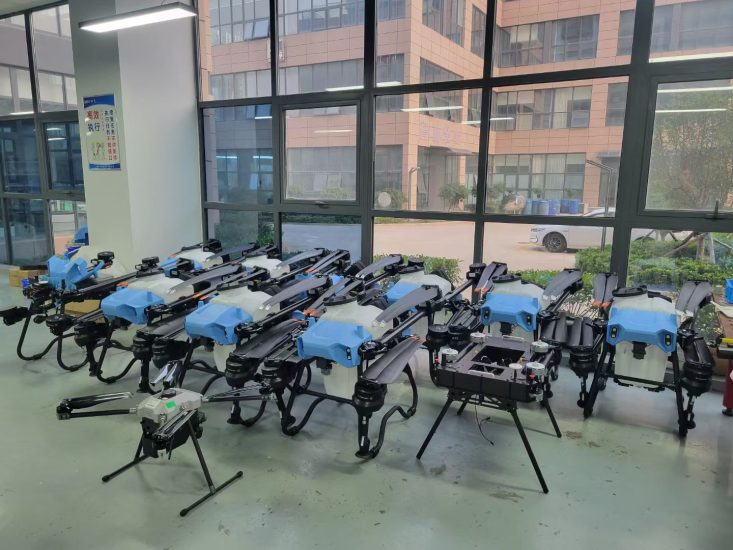
Data Collection: Digital agriculture relies on the collection of vast amounts of data. Sensors, drones, and other IoT devices are deployed in fields to gather data on soil conditions, weather patterns, crop health, and more. This data is continuously updated and transmitted to central databases.
-
Data Integration: In digital agriculture, data from various sources are integrated into a unified system. This includes data from the field, historical data, and even external data sources like weather forecasts and market prices.
-
Data Analysis: Advanced analytics and AI algorithms are employed to analyze the data. These algorithms can identify patterns, correlations, and anomalies that might be imperceptible to humans. They provide insights into crop health, disease outbreaks, and optimal resource allocation.
-
Data-Driven Decision-Making: Perhaps the most significant benefit of data in digital agriculture is its role in decision-making. Farmers use the insights gained from data analysis to make informed decisions about when to plant, irrigate, fertilize, and harvest. This leads to more efficient and sustainable farming practices.
-
Predictive Capabilities: Data analysis allows for predictive modeling. Farmers can anticipate pest infestations, disease outbreaks, and even crop yields with a high degree of accuracy. This predictive capability enhances planning and risk management.
-
Continuous Improvement: Data-driven agriculture is a learning system. As more data is collected and analyzed, the algorithms become better at predicting outcomes and optimizing farming practices. This continuous improvement leads to increased efficiency over time.
However, the use of data in digital agriculture also raises important considerations:
-
Data Security and Privacy: The collection and storage of sensitive agricultural data require robust security measures to protect against data breaches and unauthorized access.
-
Ethical Use: The responsible and ethical use of data is crucial. Farmers must be transparent about how data is collected and used, and they should obtain consent when necessary.
-
Accessibility: Ensuring that all farmers have access to the benefits of data-driven agriculture is essential. Efforts are needed to bridge the digital divide and provide training and resources to those who may be less technologically proficient.
In conclusion, data is the lifeblood of digital agriculture. It empowers farmers to make data-driven decisions, optimize resource use, and increase productivity and sustainability. As technology continues to advance, the role of data in agriculture will only become more prominent, shaping the future of farming practices.

No reply content