Digitizing Agriculture: The Future of Farming

Digitizing agriculture, often referred to as digital farming or precision agriculture, is transforming the way we produce food. This innovative approach leverages technology to optimize farming practices, increase efficiency, and reduce waste. In this article, we will explore the concept of digitized agriculture and its potential impact on the future of farming.
Digitized agriculture involves the integration of various technologies into farming processes. These technologies include:
-
Sensors and IoT Devices: These devices are deployed throughout the farm to collect data on soil conditions, weather, crop health, and more. They provide real-time information that helps farmers make informed decisions.
-
Big Data and Analytics: The data collected from sensors is processed and analyzed using advanced analytics and AI algorithms. This analysis helps farmers identify trends, make predictions, and optimize resource allocation.
-
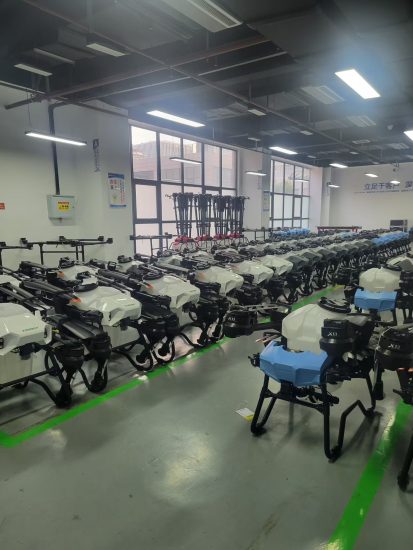
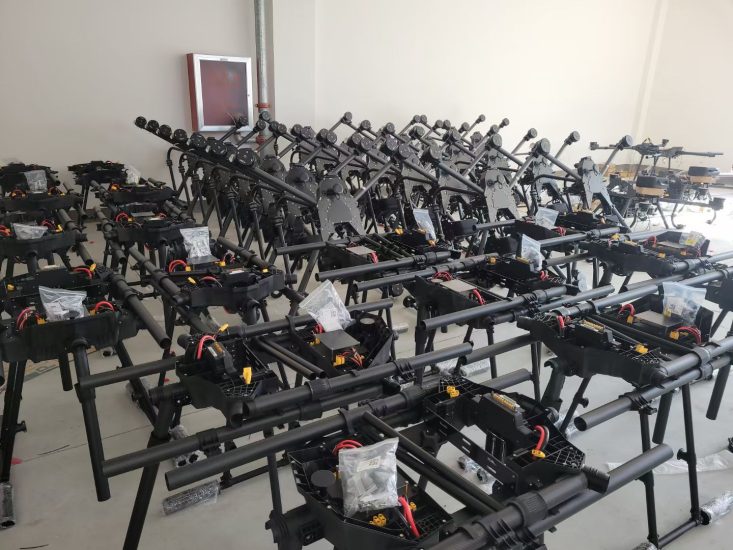
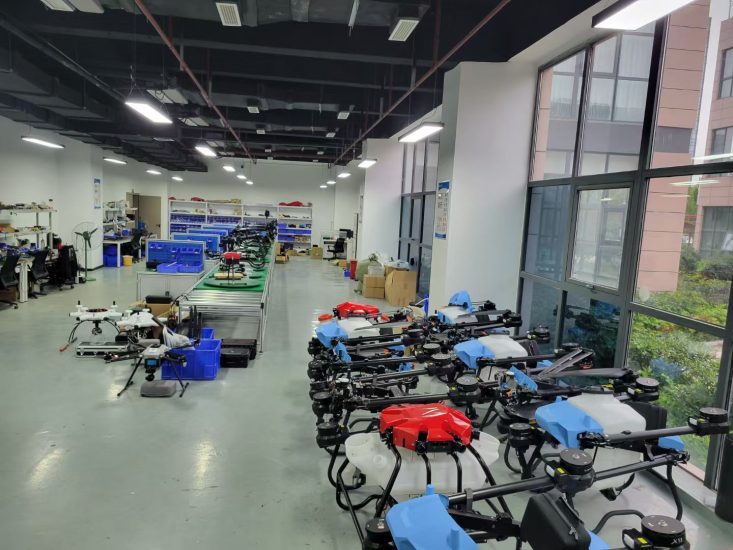
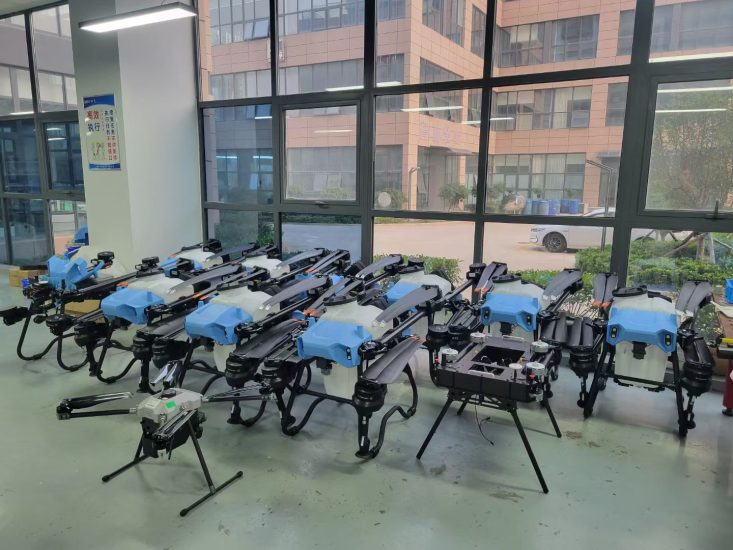
Drones and Remote Sensing: Drones equipped with cameras and sensors are used for aerial monitoring of crops. They can identify areas of stress, disease, or pest infestation, allowing for targeted interventions.
-
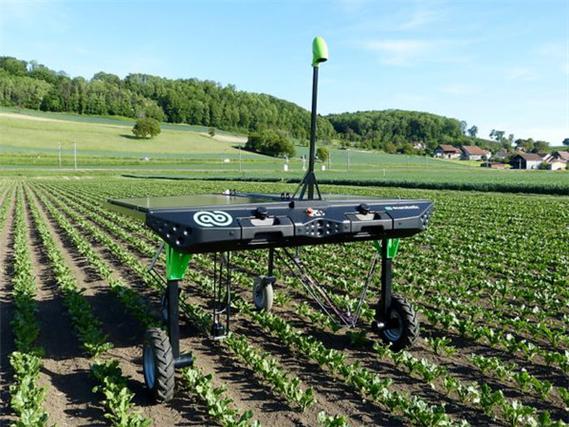
Automation and Robotics: Robots and automated machinery are employed for tasks like planting, harvesting, and weeding. They work tirelessly and with precision, reducing the need for manual labor.
-
GPS and Navigation: GPS technology helps farmers precisely track and manage their equipment, ensuring that every inch of the field is efficiently utilized.
The benefits of digitized agriculture are numerous:
-
Increased Productivity: By optimizing resource use and making data-driven decisions, farmers can achieve higher crop yields.
-
Resource Efficiency: Digitized agriculture minimizes waste by using resources such as water, fertilizer, and pesticides more efficiently.
-
Environmental Sustainability: Precision agriculture reduces the environmental impact of farming by decreasing chemical use and minimizing soil erosion.
-
Cost Reduction: By automating tasks and reducing resource waste, digitized agriculture can lower operational costs for farmers.
-
Resilience: The real-time data provided by digital farming allows farmers to respond quickly to changing conditions, such as weather events or disease outbreaks.
Despite its many advantages, the adoption of digitized agriculture faces challenges, including the initial cost of technology and the need for training and expertise. However, as technology becomes more affordable and user-friendly, these barriers are expected to diminish.
In conclusion, digitized agriculture is poised to revolutionize the farming industry. It offers solutions to some of the most significant challenges facing agriculture today, from feeding a growing global population to mitigating the environmental impact of farming. As technology continues to advance, digitized agriculture will play an increasingly critical role in shaping the future of farming.

No reply content