The Future of Precision Agriculture: Drone Technology

Precision agriculture, also known as precision agriculture, is a way for farmers to manage crops to ensure the efficiency of inputs such as water and fertilizers, and to maximize productivity, quality, and yield. Precision agriculture also includes the prevention of pests, floods, and crop diseases.
Farmers can use drones to continuously monitor the condition of crops and livestock in the air, quickly identifying problems that will not appear in ground inspections. For example, they can discover through drone delay photography that some crops have not been properly irrigated.
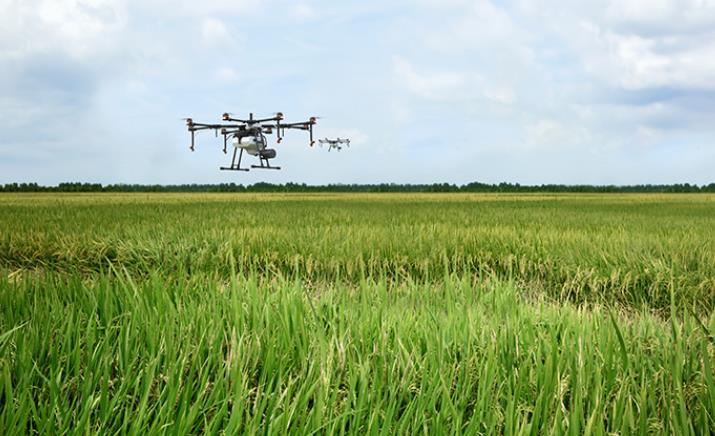
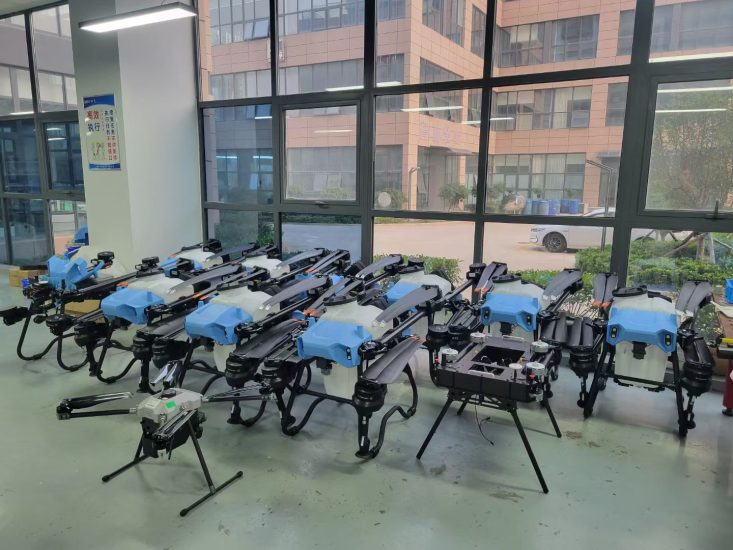
In the past few years, agricultural drone technology has been improving, and the benefits of drones for agriculture have become increasingly evident. From mapping, measurement, to crop spraying, their application in agriculture has also become increasingly widespread. On the surface, agricultural drones are no different from other types of drones, and simple changes to ordinary drones can meet the needs of farmers. However, several drones were specifically developed for agricultural purposes.
The process of drawing or measuring crops using drones is relatively simple. Many newer agricultural drone models are equipped with flight planning software that allows users to plot around the areas they need to cover. Then, the software will automatically draw the flight route, and in some cases, even prepare for camera shooting.
When the drone flies, it uses onboard sensors and built-in cameras to automatically take photos, and uses GPS to decide when to take each photo. But if your drone does not have these automatic functions, then you need one person to operate the drone and another person to take photos.
Drones have saved farmers a lot of costs, improved efficiency, and also improved profitability, completely changing the industry. By quickly surveying large areas of farmland, drones can draw land maps, report crop health status, improve spraying accuracy, and monitor livestock and irrigation systems.
The ability of drones to collect and analyze data in real-time has brought tangible results to farmers, such as increasing crop yields, reducing resources used for weeds and herbicides, and comprehensively improving management decisions.

No reply content