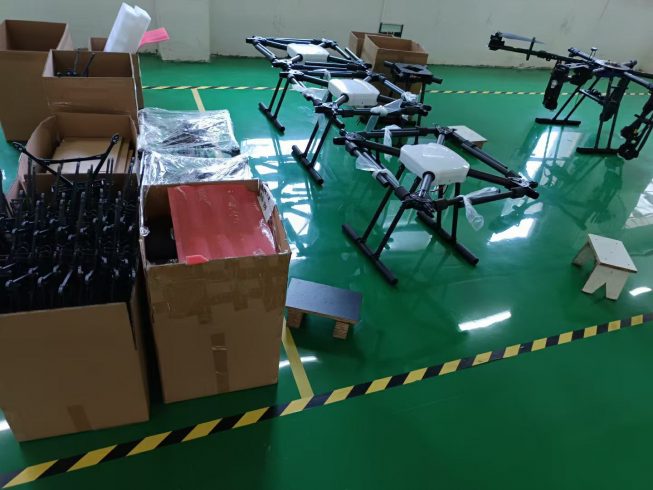


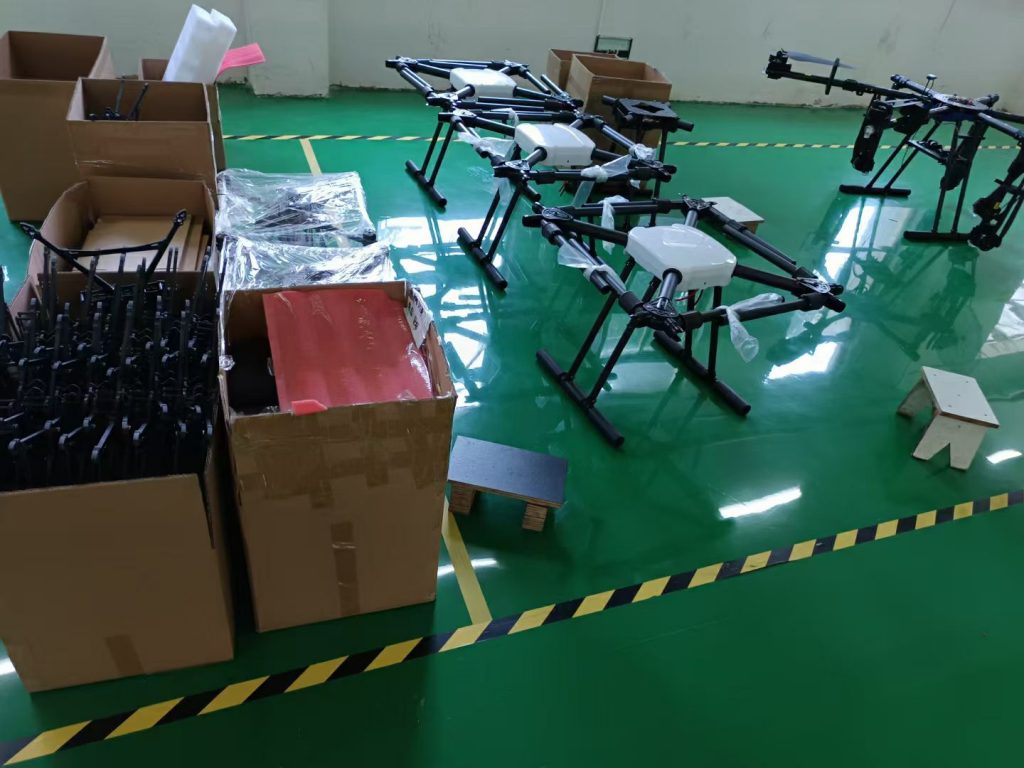
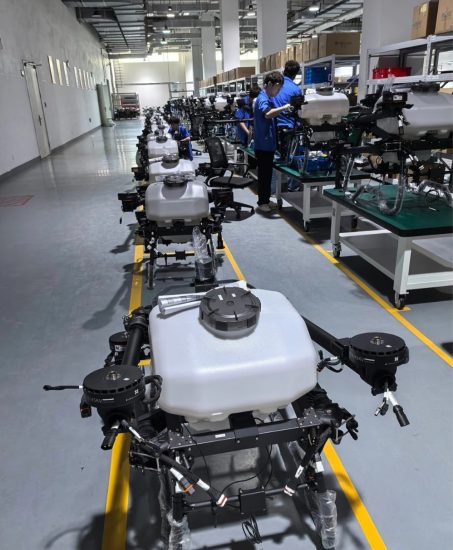
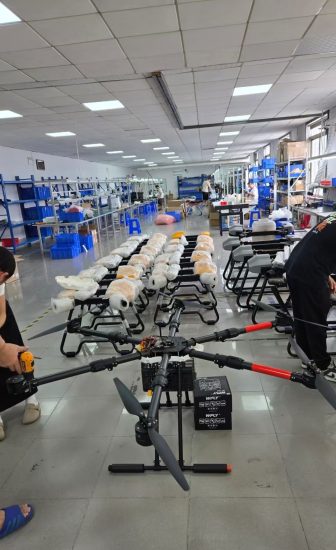
As global agriculture grapples with labor shortages, climate volatility, and the urgent need to feed a projected 10 billion people by 2050, agricultural drone manufacturing has emerged as a cornerstone of innovation. Farmland now hums with unmanned aerial vehicles (UAVs) optimized for tasks like crop monitoring, targeted spraying, and yield analysis—tools built not as generic gadgets, but as purpose-driven solutions forged in factories hyper-focused on farming’s unique demands. This article unpacks how dedicated agricultural UAV manufacturing is transforming farm operations, driving efficiency, and securing sustainable food systems.
Why Generic Drones Fall Short: The Case for Farm-Specific Design
Farmers don’t just need a drone—they need a partner that understands dirt, water, and the unpredictability of nature. Off-the-shelf UAVs, while capable in urban or recreational settings, often falter in agricultural environments:
-
Limited Sensor Precision: Generic cameras struggle to distinguish between nutrient deficiency and early disease, missing critical intervention windows.
-
Fragility in Harsh Conditions: Dust, mud, and heavy rain corrode unsealed components, leading to costly downtime during peak growing seasons.
-
Inflexible Payloads: Farmers switching between spraying, planting, or surveying need adaptable tools—something most mass-produced drones can’t deliver.
Enter specialized agricultural drone manufacturers. These factories engineer UAVs from the ground up, prioritizing features that make them indispensable on the farm: ruggedness, data accuracy, and task-specific functionality.
Core Technologies Defining Next-Gen Agricultural Drones
Leading agricultural drone production facilities invest heavily in R&D to embed technologies that solve real farming pain points. Here’s what sets their products apart:
1. Hyper-Targeted Sensors for Actionable Insights
Factories partner with agronomists to develop multispectral, thermal, and hyperspectral sensors calibrated to detect subtle crop stress. For example:
-
Near-Infrared (NIR): Measures chlorophyll levels to identify undernourished plants before visual symptoms appear.
-
Thermal Imaging: Flags irrigation issues by detecting temperature variations across fields.Data is processed via factory-tested algorithms to generate maps guiding precise fertilizer or water application—cutting waste by up to 40% compared to traditional methods.
2. AI-Powered Autonomy for Efficiency
Modern farm drones leverage machine learning to automate complex tasks:
-
Adaptive Flight Paths: AI adjusts routes in real time based on wind, terrain, or obstacle detection, ensuring full field coverage.
-
On-Edge Analytics: Some models process data locally, avoiding lag from cloud dependency—a lifesaver for remote farms with spotty internet.Factories rigorously test these systems across diverse terrains, ensuring reliability even in hilly or densely planted fields.
3. Durable Design for All-Season Use
Agricultural drones face extreme conditions: dusty spray zones, heavy dew, and accidental impacts. Factories address this with:
-
Corrosion-Resistant Materials: Aluminum alloys and sealed motors withstand chemical exposure and moisture.
-
Reinforced Frames: Impact-absorbing structures protect critical components during hard landings or collisions with low branches.
-
Weatherproofing: IP67 ratings ensure operation in rain, mud, and temperatures from -10°C to 45°C.
4. Modular Payloads for Versatility
Farmers need one drone for multiple jobs. Factories design swapable payloads:
-
Spray Systems: Adjustable nozzles and flow rates tailor chemical application to crop type (e.g., delicate vines vs. hardy grains).
-
Seed Planters: Precision mechanisms reduce seed waste by 25% compared to manual sowing.
-
LiDAR Modules: For high-resolution 3D field mapping to plan drainage or planting density.
The Factory Advantage: Quality, Customization, and Support
What makes specialized agricultural UAV manufacturing stand out? It’s not just the tech—it’s the ecosystem built around the farmer:
-
Rigorous Testing Protocols: Factories simulate years of farm use, running drones through 1,000+ hour stress tests (e.g., continuous spraying, dust chamber exposure) to guarantee longevity.
-
Regional Customization: From adjusting spray patterns for local crop varieties to complying with country-specific flight regulations, factories offer tailored solutions.
-
End-to-End Support: Beyond hardware, manufacturers provide training workshops, software updates, and 24/7 technical assistance—ensuring farmers maximize ROI.
Driving Sustainability and Food Security
The impact of agricultural drone manufacturing extends beyond efficiency. By enabling precision agriculture:
-
Resource Conservation: Targeted spraying reduces pesticide use by 30–50%, lowering runoff and protecting ecosystems.
-
Yield Boosts: Data-driven insights help farmers optimize inputs, increasing yields by 15–25% in pilot studies.
-
Smallholder Empowerment: Affordable, easy-to-use drones level the playing field, letting small farms compete with industrial operations.
The Road Ahead: Smarter, Greener Drones
As agricultural drone production evolves, factories are pioneering next-frontier innovations:
-
Swarm Technology: Coordinated fleets covering 100+ acres in hours, ideal for large-scale monocultures.
-
Renewable Power: Solar-integrated batteries or hydrogen fuel cells extending flight times for remote farms.
-
Carbon Neutrality: Factories adopting green manufacturing practices (e.g., recycled materials, renewable energy in production) to align with global sustainability goals.
Conclusion: Partnering for a Resilient Future
In a world where every acre counts, specialized agricultural drone manufacturing is more than a business—it’s a mission. By designing UAVs that understand the soil, weather, and challenges of farming, these factories are equipping growers with tools to thrive amid uncertainty. For farmers seeking to future-proof their operations, choosing a manufacturer dedicated to agricultural excellence isn’t just an investment in technology—it’s an investment in sustainability, productivity, and the next generation of food security.
Ready to transform your farm? Explore the difference purpose-built agricultural drones can make.
High-Value Keywords Integrated: agricultural drone manufacturing, precision agriculture drones, farm drone technology, UAV for agriculture, smart farming drones, crop monitoring drones, agricultural UAV design, durable farm drones, sustainable farming drones, high-efficiency agricultural drones, drone spraying systems, modular agricultural UAVs.
THE END


No comments yet