

Malaysia is one of Southeast Asia’s leading agricultural countries, producing large quantities of palm oil, rice, rubber, cocoa, pineapples, bananas, durian, coconuts, vegetables, and tropical fruits. As labor shortages, rising operating costs, and the demand for sustainable farming continue to grow, agricultural drone technology has become an important part of modern farming operations.
Crop spraying drones enable farmers to apply pesticides, herbicides, fungicides, and liquid fertilizers more accurately and efficiently than traditional manual spraying methods. These drones reduce labor costs, improve spraying consistency, minimize chemical waste, and increase productivity across a wide range of crops.
China has become the world’s largest manufacturer and exporter of agricultural drones. With advanced UAV technology, competitive factory pricing, OEM and ODM manufacturing capabilities, and professional after-sales support, Chinese suppliers have become trusted partners for Malaysian importers, distributors, plantation companies, and agricultural service providers.
This guide explains how to choose the right China crop spraying drone supplier for the Malaysian market and what factors buyers should consider before importing.
Why Malaysia Is an Important Market for Agricultural Drones
Malaysia’s agriculture sector plays a vital role in the country’s economy, particularly the palm oil industry. Large plantations and commercial farms are increasingly investing in precision agriculture equipment to improve efficiency and reduce production costs.
Crop spraying drones are commonly used in:
-
Palm oil plantations
-
Rice fields
-
Rubber plantations
-
Cocoa farms
-
Pineapple plantations
-
Banana farms
-
Durian orchards
-
Coconut plantations
-
Vegetable farms
-
Tropical fruit orchards
Agricultural drones improve coverage, reduce crop damage, and allow operators to spray difficult terrain more safely and efficiently.
Why Choose a China Crop Spraying Drone Supplier?
Chinese agricultural drone manufacturers have established a complete industrial supply chain supported by continuous research and technological innovation.
Key advantages include:
-
Factory-direct pricing
-
Advanced autonomous flight systems
-
Precision spraying technology
-
Strong research and development capabilities
-
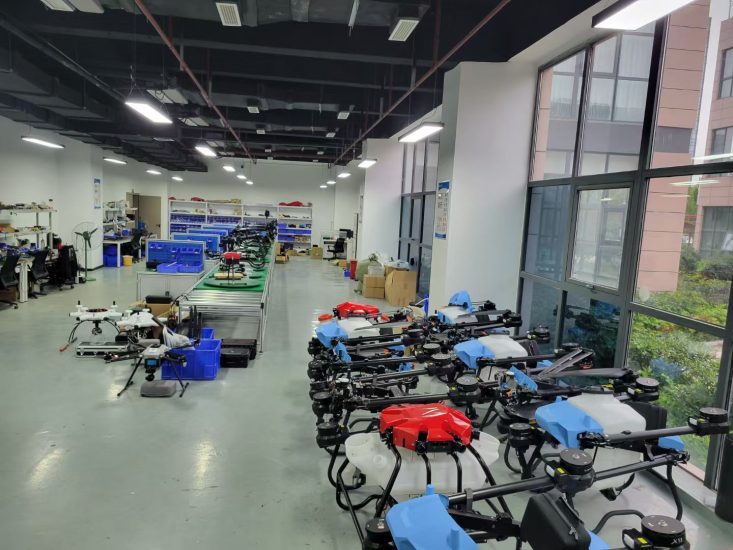
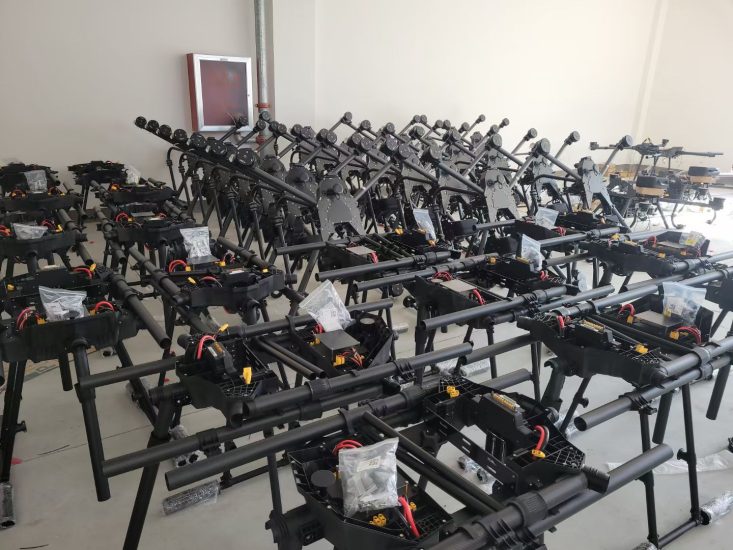
Large-scale manufacturing capacity
-
OEM & ODM customization
-
Reliable spare parts availability
-
Global export experience
-
Comprehensive technical support
These advantages help Malaysian buyers obtain high-quality agricultural drones while reducing procurement costs.
Recommended Drone Models
Different agricultural applications require different payload capacities.
20L Agricultural Drone
Suitable for:
-
Small farms
-
Fruit orchards
-
Vegetable production
-
Cocoa plantations
Advantages:
-
Lightweight design
-
Easy transportation
-
Lower maintenance costs
-
High spraying accuracy
30L Agricultural Drone
Recommended for:
-
Medium-sized rice farms
-
Rubber plantations
-
Pineapple farms
-
Agricultural contractors
Benefits include:
-
Longer operating time
-
Increased spraying efficiency
-
Reduced refill frequency
-
Excellent cost-performance ratio
50L Agricultural Drone
Ideal for:
-
Palm oil plantations
-
Large commercial farms
-
Agricultural spraying companies
-
Government agricultural projects
Advantages include:
-
Large spray capacity
-
Maximum daily field coverage
-
Lower labor costs
-
Higher operational efficiency
Advanced Agricultural Drone Technologies
Modern crop spraying drones integrate intelligent technologies that improve productivity, accuracy, and operational safety.
Intelligent Flight Control
Professional systems generally include:
-
GPS navigation
-
RTK centimeter-level positioning
-
Automatic flight planning
-
Autonomous waypoint missions
-
Terrain-following radar
-
Automatic takeoff and landing
-
Return-to-home function
These technologies improve spraying consistency while reducing pilot workload.
Precision Spraying System
Professional spraying systems include:
-
High-flow pumps
-
Adjustable spray volume
-
Precision nozzles
-
Uniform droplet atomization
-
Anti-drip valves
These features improve pesticide utilization and reduce environmental impact.
Obstacle Avoidance
Modern agricultural drones use radar and vision sensors to detect:
-
Trees
-
Utility poles
-
Buildings
-
Irrigation equipment
-
Uneven terrain
Obstacle avoidance technology enhances operational safety, particularly in orchards and plantations.
Intelligent Battery System
High-capacity smart lithium batteries provide:
-
Fast charging
-
Battery health monitoring
-
Temperature protection
-
Long service life
-
Quick battery replacement
Using multiple battery sets enables continuous operations throughout the day.
Agricultural Applications
Crop spraying drones can perform multiple agricultural tasks.
Crop Protection
Suitable for spraying:
-
Herbicides
-
Fungicides
-
Insecticides
-
Plant growth regulators
-
Liquid fertilizers
Fertilizer Spreading
Many agricultural drones support spreading:
-
Granular fertilizers
-
Rice seed
-
Cover crop seed
-
Soil conditioners
Crop Monitoring
Optional imaging systems support:
-
Crop health monitoring
-
Disease detection
-
Plantation inspection
-
Precision agriculture management
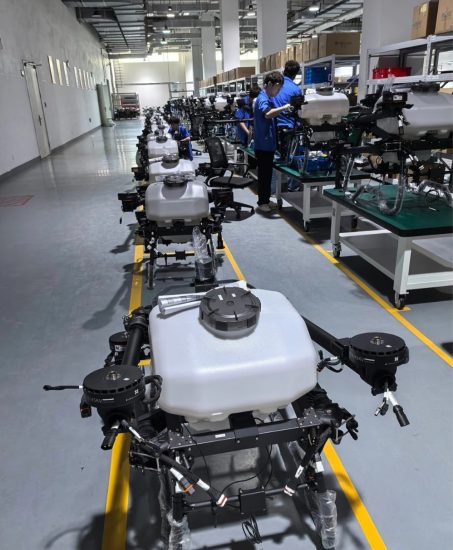
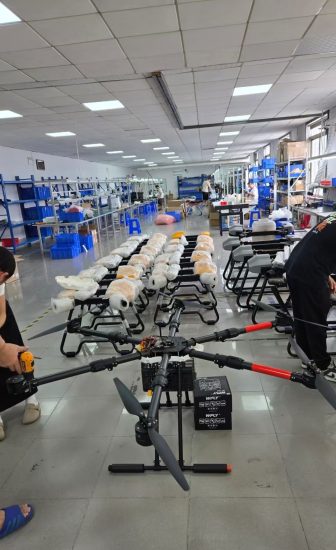
Quality Assurance
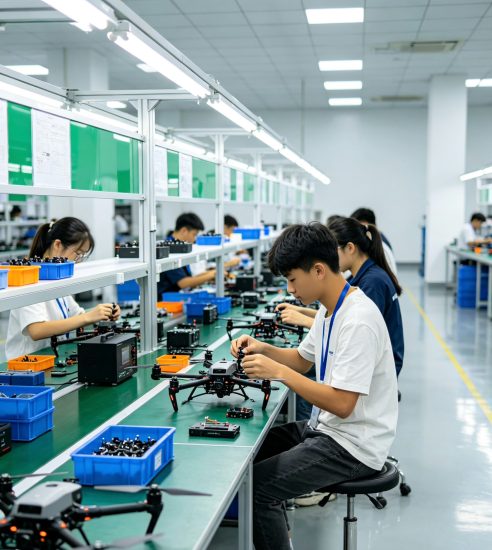
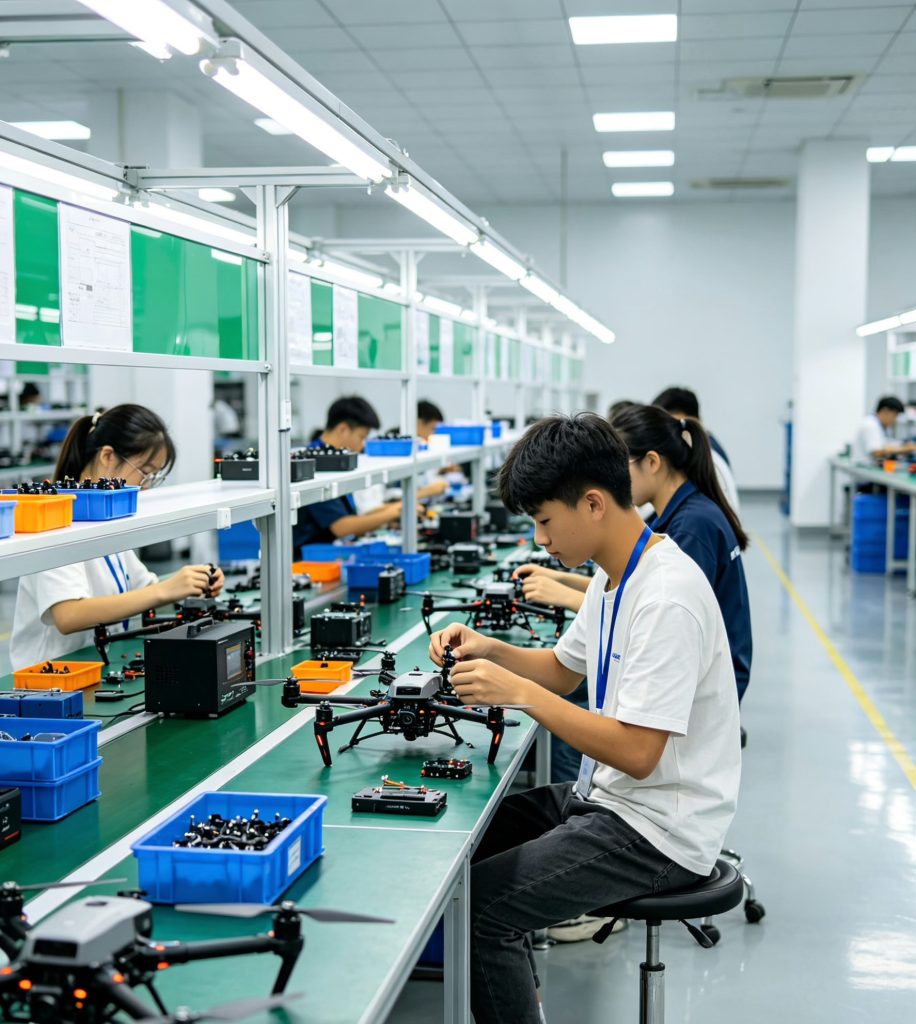
Professional Chinese manufacturers implement strict quality management systems.
Inspection procedures typically include:
-
Raw material inspection
-
Component testing
-
Aircraft assembly inspection
-
Flight testing
-
Spray system calibration
-
Waterproof testing
-
Battery safety inspection
-
Final product inspection
Comprehensive quality control ensures reliable long-term field performance.
International Certifications
Malaysian buyers should verify that products comply with international standards.
Common certifications include:
-
CE
-
FCC
-
RoHS
-
ISO 9001
-
UN38.3
-
MSDS
Importers should also confirm compliance with Malaysia’s drone operation, telecommunications, and customs regulations before purchasing.
OEM & ODM Manufacturing Services
Professional Chinese manufacturers provide flexible OEM and ODM solutions.
Available services include:
-
Custom company logo
-
Product color customization
-
Packaging design
-
English or Malay user manuals
-
Software branding
-
Remote controller customization
These services allow Malaysian distributors to establish their own brands and strengthen market competitiveness.
Shipping from China to Malaysia
Agricultural drones can be transported by:
Sea Freight
Advantages:
-
Lower transportation costs
-
Suitable for bulk orders
-
Ideal for distributors
Air Freight
Advantages:
-
Fast delivery
-
Suitable for urgent orders
-
Shorter lead times
Experienced suppliers can recommend the most suitable shipping solution based on order quantity and delivery schedule.
Export Documentation
Professional manufacturers generally provide:
-
Commercial Invoice
-
Packing List
-
Bill of Lading or Air Waybill
-
Certificate of Origin (if required)
-
CE Certificate
-
UN38.3 Battery Report
-
MSDS
-
User Manual
Complete export documentation helps facilitate customs clearance and reduces delays.
How to Choose a Reliable Supplier
Before placing an order, ask the supplier:
-
Are you a manufacturer or trading company?
-
How many years have you been producing agricultural drones?
-
Which countries have you exported to?
-
What certifications do your products have?
-
Do you provide OEM and ODM services?
-
What warranty do you offer?
-
Can spare parts be supplied quickly?
-
Is technical training available?
-
What after-sales support is included?
A supplier with proven manufacturing capability, international certifications, and export experience is generally a more reliable long-term partner.
Future of Agricultural Drones in Malaysia
Malaysia continues to promote smart agriculture and sustainable farming technologies.
Future industry trends include:
-
AI-assisted autonomous flight
-
Variable-rate spraying
-
Cloud-based fleet management
-
Smart plantation management
-
Longer battery endurance
-
Advanced obstacle avoidance
-
Precision crop analytics
-
Sustainable agricultural practices
These innovations will continue improving productivity while reducing operating costs.
Conclusion
Malaysia’s agricultural industry is rapidly embracing precision farming technologies, creating increasing demand for high-performance crop spraying drones. By partnering with an experienced China Crop Spraying Drone Supplier, Malaysian importers and distributors can access advanced UAV technology, factory-direct pricing, flexible OEM and ODM manufacturing, reliable product quality, and comprehensive technical support.
Choosing a manufacturer with strong research and development capabilities, strict quality control, international certifications, and extensive export experience will help establish a successful long-term partnership while delivering reliable agricultural drone solutions for Malaysia’s agricultural sector.
Frequently Asked Questions (FAQ)
1. Which crop spraying drone is suitable for Malaysian farms?
20L drones are ideal for orchards and vegetable farms, 30L models are suitable for rice and rubber plantations, while 50L drones are recommended for large palm oil plantations and commercial agricultural operations.
2. Can Chinese manufacturers provide OEM and ODM services?
Yes. Most professional manufacturers offer OEM and ODM services, including custom logos, packaging, product colors, user manuals, software branding, and private-label production.
3. Which certifications should Malaysian buyers request?
Request CE, FCC, RoHS, ISO 9001, UN38.3, and MSDS, and verify compliance with Malaysia’s import regulations and operational requirements for agricultural drones.
4. Can crop spraying drones spread fertilizer?
Yes. Many agricultural drones support interchangeable spraying and spreading systems for pesticides, liquid fertilizers, granular fertilizers, and seeds.
5. How long does shipping from China to Malaysia take?
Air freight generally takes 3–7 days, while sea freight usually requires 5–12 days, depending on the shipping route, destination port, customs clearance, and logistics arrangements.
THE END


No comments yet