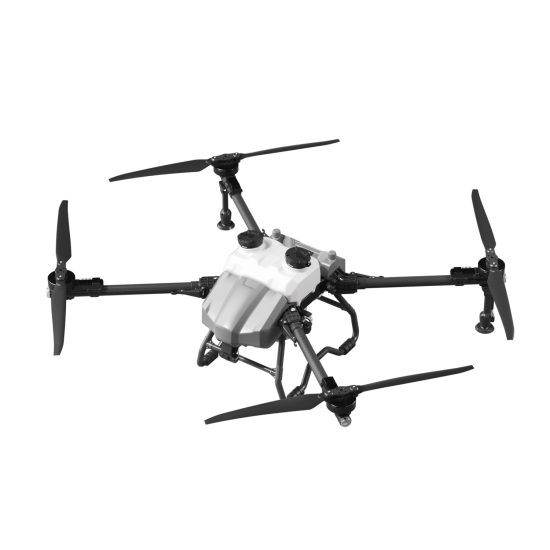


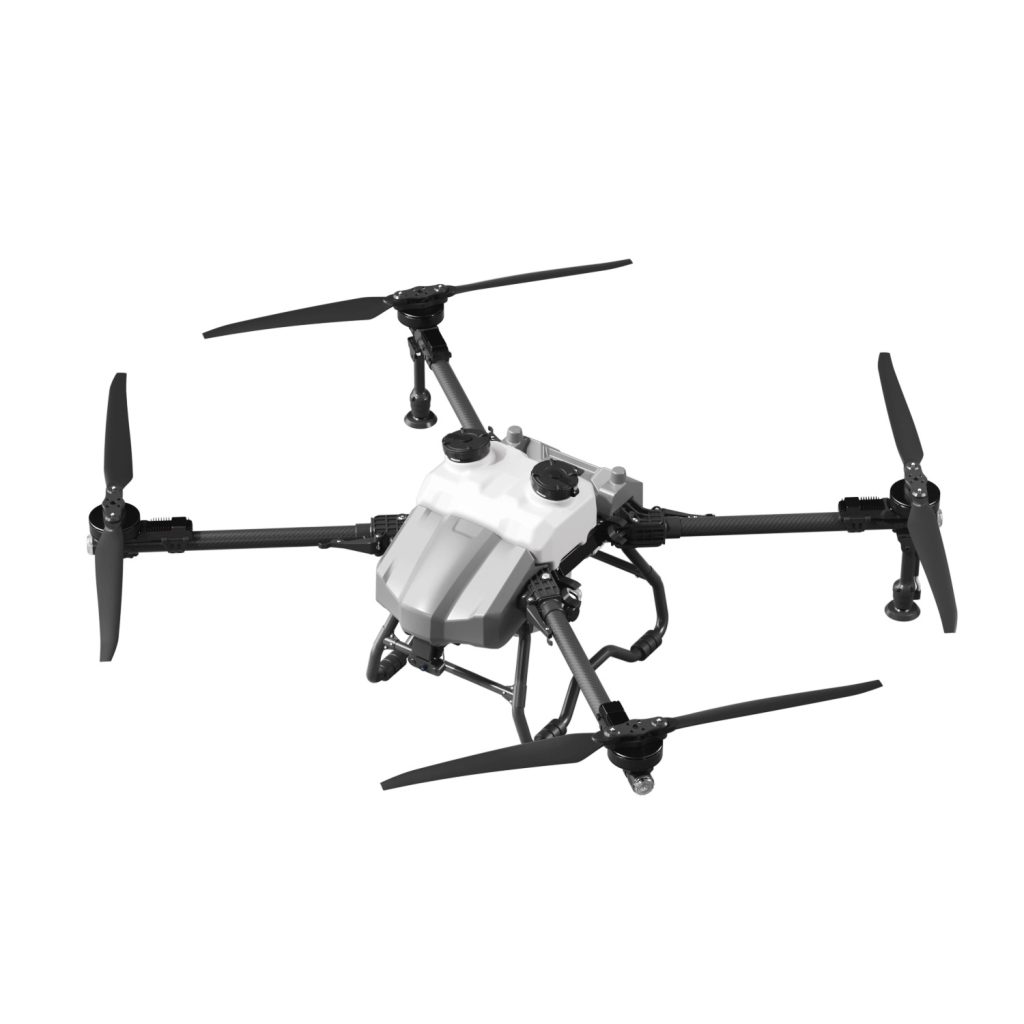
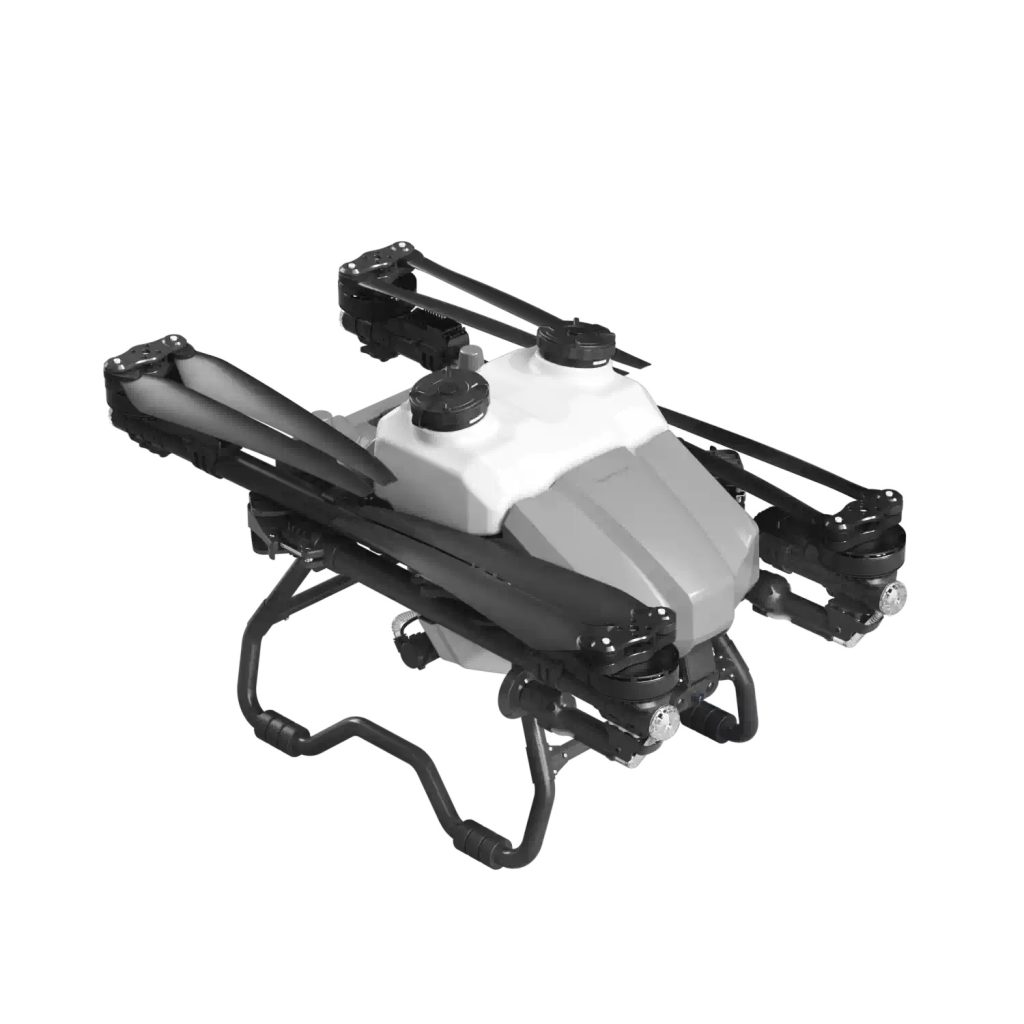

The price of an agricultural drone can vary significantly depending on its payload capacity, spraying system, battery configuration, flight control technology, intelligent functions, and customization requirements. For farmers, agricultural service providers, distributors, and importers, understanding these factors is important before making a purchasing decision.
Many buyers focus only on the listed price of the drone. However, the actual cost of an agricultural drone system usually includes the aircraft, batteries, charger, remote controller, spraying or spreading system, spare parts, packaging, transportation, and technical support.
This guide explains the main factors that affect agricultural drone prices and provides practical advice for choosing a suitable model.
1. Why Do Agricultural Drone Prices Vary So Much?
Agricultural drones are not all designed for the same applications.
A compact drone for small farms may have a lower purchase price, while a high-capacity commercial model may require a significantly larger investment.
The price difference is usually related to:
-
Payload capacity
-
Battery capacity
-
Flight time
-
Spraying system
-
Spreading system
-
Navigation functions
-
Obstacle detection
-
Terrain-following technology
-
Motor and power system
-
Remote controller
-
Charging equipment
-
Customization requirements
For this reason, comparing agricultural drones only by price can lead to an inaccurate purchasing decision.
A better approach is to compare the total equipment configuration and expected operating efficiency.
2. Payload Capacity Is One of the Biggest Pricing Factors
The capacity of the liquid tank or spreading hopper has a direct influence on the price of an agricultural drone.
Smaller models generally require:
-
Smaller motors
-
Smaller batteries
-
Lower structural strength
-
Less powerful pumps
Larger models usually require more powerful components to safely carry a heavier payload.
A higher-capacity agricultural drone may be more suitable for large farms and professional agricultural service operations because it can reduce the number of refills required during daily work.
However, a larger model also means:
-
Higher purchase cost
-
Higher battery cost
-
Greater transportation requirements
-
Potentially higher maintenance costs
The best option depends on the area you need to cover and the type of agricultural work you perform.
3. Battery and Charging Equipment Affect the Total Investment
The battery system is an important part of the total price of an agricultural drone.
A professional agricultural drone may require high-capacity batteries capable of delivering stable power to multiple motors and agricultural equipment.
The total battery cost depends on:
-
Battery capacity
-
Voltage
-
Energy density
-
Battery cycle life
-
Charging speed
-
Battery management system
A buyer should also consider how many batteries are needed for continuous operation.
For example, purchasing only one battery may result in significant downtime during charging. A professional operation may require multiple batteries for rotation.
The charger is also important. A high-efficiency charging system can help reduce downtime during busy agricultural seasons.
4. The Spraying System Can Change the Price
Not all agricultural drones use the same spraying system.
The overall cost may be affected by:
-
Pump type
-
Pump capacity
-
Number of nozzles
-
Flow control
-
Spray width
-
Droplet control
-
Automatic application adjustment
A basic spraying system may be suitable for simple applications.
More advanced systems may provide better control over the application rate and allow operators to adjust the spray according to the crop and agricultural product.
When comparing prices, buyers should carefully check what is included in the standard spraying configuration.
A lower-priced drone may appear attractive at first, but additional pumps, nozzles, or control equipment may increase the final cost.
5. Spreading Functions May Require Additional Equipment
Some agricultural drones are designed for liquid spraying only, while others can also perform solid material spreading.
A spreading system may include:
-
A spreading hopper
-
Electric motors
-
Adjustable feeding mechanisms
-
Flow control
-
Spreading discs or other distribution components
If you require both spraying and spreading functions, the overall investment may be higher than purchasing a drone designed for only one application.
For buyers who operate multiple types of agricultural services, a multi-function system may offer better long-term value.
6. Flight Control and Intelligent Functions Influence Pricing
Modern agricultural drones can include various intelligent flight functions.
These may include:
-
Automatic route planning
-
GPS positioning
-
Automatic return
-
Terrain following
-
Obstacle detection
-
Flight path recording
-
Low-battery alerts
-
Signal-loss protection
-
Automatic altitude adjustment
The more advanced the flight control system, the more complex the hardware and software configuration may be.
However, buyers should not automatically assume that more functions are always better.
The key question is whether the functions are useful for your actual operating environment.
For example, terrain-following may be particularly useful for orchards and uneven farmland, while basic route planning may be sufficient for large flat fields.
7. Motor and Power System Quality Affect Cost
Agricultural drones often operate with heavy payloads and in demanding outdoor conditions.
The motor and power system must provide sufficient thrust and stability.
Important components may include:
-
Motors
-
Electronic speed controllers
-
Propellers
-
Flight controller
-
Power distribution system
Higher-performance components may increase the initial price but can also provide better stability and operating reliability.
For commercial users, long-term reliability may be more important than simply choosing the lowest initial price.
8. The Remote Controller Is Also Part of the System
The remote controller is an important part of the agricultural drone package.
Different controllers may offer different features, including:
-
Screen size
-
Display brightness
-
Battery life
-
Control range
-
Application interface
-
Data storage
-
Communication technology
A controller with a clear display can be particularly useful when operating outdoors under strong sunlight.
The controller should also be comfortable for long-term operation, especially for professional agricultural service providers.
9. Software and Smart Features May Add Value
Some agricultural drone systems include intelligent software for:
-
Field mapping
-
Route planning
-
Operation records
-
Area measurement
-
Task management
-
Application rate adjustment
These functions may help improve work efficiency and reduce manual operation.
For commercial agricultural service providers, digital operation records can also make it easier to manage multiple fields and different customers.
Before purchasing, buyers should confirm whether software functions are included in the standard package or require additional services.
10. OEM and ODM Customization Can Affect the Final Price
For importers, distributors, and agricultural equipment brands, customization may be an important requirement.
Possible customization options include:
-
Logo
-
Product color
-
Packaging
-
User manuals
-
Remote controller language
-
Product appearance
-
Battery configuration
-
Spraying equipment
-
Accessories
The cost of customization depends on the complexity of the requirements and the order quantity.
Simple branding may require a relatively small additional cost, while customized product structures or technical systems may require additional development and testing.
Buyers should clearly communicate their requirements before receiving a final quotation.
11. What Is the Total Cost of Buying an Agricultural Drone?
The total investment may include more than the aircraft itself.
A complete purchasing budget may include:
Cost Item |
Possible Impact on Total Investment |
|---|---|
Agricultural drone |
Main equipment cost |
Battery |
Depends on capacity and quantity |
Charger |
Depends on charging speed and configuration |
Remote controller |
Depends on functions and display |
Spraying system |
Depends on pumps and nozzles |
Spreading system |
Additional equipment if required |
Spare parts |
Important for long-term operation |
Packaging |
Depends on shipping requirements |
Transportation |
Depends on destination and shipment method |
Training |
May be required for new operators |
Technical support |
Important for commercial users |
The final purchase cost should therefore be calculated based on the complete system rather than the drone body alone.
12. How Can Buyers Get a More Accurate Agricultural Drone Quotation?
To receive an accurate quotation, buyers should provide detailed information to the supplier.
Useful information includes:
-
Target country or market
-
Main crop types
-
Farm size
-
Required payload capacity
-
Spraying or spreading requirements
-
Expected daily operating area
-
Required battery quantity
-
Custom branding requirements
-
Packaging requirements
-
Delivery destination
The more complete the information, the easier it is to recommend a suitable configuration.
A general inquiry such as “How much is an agricultural drone?” may result in a wide price range because different configurations can have very different costs.
A more detailed inquiry can help the supplier provide a more accurate quotation.
13. Should You Choose the Cheapest Agricultural Drone?
The cheapest option is not always the most cost-effective choice.
Before making a decision, consider:
-
How often the drone will be used
-
How large the operating area is
-
How much downtime is acceptable
-
How easy it is to obtain spare parts
-
Whether technical support is available
-
Whether the drone meets local requirements
For occasional use on a small farm, a basic model may be sufficient.
For daily commercial operations, a more durable and efficient system may provide better long-term value even if the initial investment is higher.
The most important question is not:
“Which agricultural drone has the lowest price?”
It is:
“Which agricultural drone can provide the best balance between purchase cost, productivity, reliability, and long-term operating expenses?”
14. Agricultural Drone Price and Return on Investment
For professional users, return on investment should also be considered.
An agricultural drone may help reduce:
-
Labor requirements
-
Field operation time
-
Water consumption
-
Product waste
-
Difficult terrain access costs
The actual return on investment depends on:
-
Local labor costs
-
Farm size
-
Annual operating frequency
-
Crop types
-
Service prices
-
Maintenance expenses
Agricultural service providers should estimate the expected annual operating area and compare the investment with potential service revenue.
Farm owners should consider whether using their own drone can reduce outsourcing costs or improve the speed of field operations.
Frequently Asked Questions
How much does an agricultural drone cost?
The price varies according to payload capacity, battery system, spraying equipment, flight control functions, and other configurations. Buyers should request a quotation based on a specific configuration rather than relying on a general price.
What is the biggest factor affecting agricultural drone pricing?
Payload capacity is one of the most important factors, but battery capacity, spraying systems, intelligent functions, and overall equipment configuration can also significantly affect the final cost.
Is the battery included with an agricultural drone?
This depends on the supplier and the package configuration. Buyers should confirm whether batteries, chargers, remote controllers, and spraying systems are included in the quotation.
Does a larger agricultural drone always cost more?
In most cases, a larger payload capacity requires stronger motors, larger batteries, and a stronger frame, which can increase the total cost. However, the exact price depends on the complete configuration.
Can I order a customized agricultural drone?
Many manufacturers can provide OEM or ODM customization, including branding, packaging, color, accessories, and selected technical configurations. The minimum order quantity and customization cost should be confirmed in advance.
Should I buy a spraying drone or a multi-function agricultural drone?
If your main operation is liquid spraying, a dedicated spraying model may be sufficient. If you also need spreading functions, a multi-function model may provide greater flexibility.
What additional costs should I consider?
In addition to the drone itself, consider batteries, chargers, spare parts, transportation, maintenance, training, and possible customization costs.
Final Buying Advice
The price of an agricultural drone depends on much more than the aircraft itself. Payload capacity, battery performance, spraying technology, flight control, intelligent functions, spare parts, and customization can all affect the final investment.
Before purchasing, define your agricultural application and operating requirements. Then compare complete configurations instead of simply comparing advertised prices.
For farmers and agricultural service providers, the right agricultural drone should provide a practical balance between productivity and operating cost. For importers and distributors, reliable product quality, customization flexibility, technical support, and stable supply are also important factors.
A detailed quotation based on your actual requirements is usually the best way to understand the true cost of an agricultural drone and choose the right solution for your market.
THE END


No comments yet