



Crop spraying drones have become an essential tool in modern agriculture. They help farmers reduce labor costs, improve spraying accuracy, minimize chemical waste, and increase operational efficiency. However, one of the most common questions buyers ask is:
Should I choose a 20L, 30L, or 50L agricultural drone?
The answer depends on your farm size, crop type, terrain, daily workload, and budget. Buying a drone with a payload that is too small may reduce productivity, while purchasing one that is too large could increase costs without delivering additional value.
This guide compares 20L, 30L, and 50L crop spraying drones to help you make an informed purchasing decision.
Understanding Payload Capacity
Payload capacity refers to the amount of liquid pesticide, fertilizer, or herbicide a drone can carry during a single flight.
A larger payload allows longer spraying operations before refilling, improving productivity on large farms. However, it also requires larger batteries and may increase the total weight of the aircraft.
Choosing the correct payload should be based on your actual field conditions rather than simply selecting the largest model.
20L Crop Spraying Drone
A 20L drone is designed for small to medium-sized farms where flexibility and ease of operation are important.
Best Applications
-
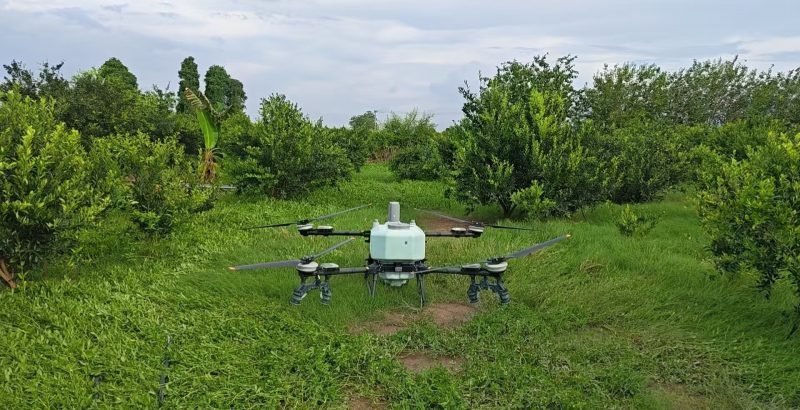
Fruit orchards
-
Tea plantations
-
Vegetable farms
-
Greenhouses
-
Rice terraces
-
Mountain farming
-
Small family farms
Advantages
-
Lightweight and easy to transport
-
Lower purchase cost
-
Lower battery consumption
-
Easier for new operators
-
Excellent maneuverability
Considerations
-
More frequent tank refilling
-
Lower daily spraying capacity compared with larger models
For farms with limited acreage or complex terrain, a 20L drone is often the most economical choice.
30L Crop Spraying Drone
The 30L model has become one of the most popular options worldwide because it offers an excellent balance between efficiency and operating cost.
Best Applications
-
Corn
-
Wheat
-
Cotton
-
Soybeans
-
Rice
-
Commercial farming
-
Agricultural service companies
Advantages
-
Higher productivity
-
Longer operating time
-
Reduced refill frequency
-
Suitable for most commercial farms
-
Good balance between weight and efficiency
Considerations
-
Requires more powerful batteries
-
Slightly higher purchase price than 20L models
Many agricultural contractors prefer 30L drones because they provide excellent daily performance without excessive operating costs.
50L Crop Spraying Drone
A 50L agricultural drone is designed for professional users managing large-scale farming operations.
Best Applications
-
Large grain farms
-
Commercial crop protection
-
Agricultural cooperatives
-
Government agricultural projects
-
Professional spraying service providers
Advantages
-
Maximum spraying efficiency
-
Fewer refills
-
Higher daily working capacity
-
Lower labor cost per hectare
-
Excellent return on investment for large operations
Considerations
-
Higher initial investment
-
Larger batteries and charging equipment required
-
More suitable for experienced operators
For businesses spraying hundreds of hectares every season, a 50L drone can significantly improve operational efficiency.
Performance Comparison
Feature |
20L |
30L |
50L |
|---|---|---|---|
Farm Size |
Small |
Medium |
Large |
Productivity |
Good |
Very Good |
Excellent |
Purchase Cost |
Lower |
Medium |
Higher |
Battery Requirement |
Lower |
Medium |
Higher |
Daily Working Capacity |
Moderate |
High |
Very High |
Operator Skill |
Beginner Friendly |
Moderate |
Experienced |
Which Crops Benefit Most?
Rice
Both 20L and 30L drones perform well in rice fields, depending on field size.
Wheat
30L and 50L drones provide excellent coverage and efficiency during large spraying operations.
Corn
A 30L or 50L model is recommended because taller crops benefit from larger spray capacity and fewer interruptions.
Cotton
30L drones are widely used due to their balance of efficiency and flexibility.
Orchards
A 20L drone is often easier to maneuver between trees and on uneven terrain.
Tea Plantations
Smaller drones are generally more practical because of narrow planting areas and hilly landscapes.
Battery Considerations
Battery performance is critical when selecting an agricultural drone.
Ask your supplier about:
-
Battery capacity
-
Charging time
-
Number of batteries recommended
-
Battery cycle life
-
Fast charging systems
-
Battery management software
A complete power solution helps maximize productivity during busy spraying seasons.
Intelligent Flight Functions
Modern agricultural drones should include advanced automation features, such as:
-
Automatic route planning
-
Terrain following
-
Obstacle avoidance
-
Return-to-home
-
Automatic spraying
-
Flight data recording
-
Multi-language software
-
Precision GPS positioning
These functions reduce operator fatigue and improve spraying accuracy.
Spare Parts and Maintenance
Reliable manufacturers should provide long-term support with readily available spare parts, including:
-
Propellers
-
Motors
-
Spray pumps
-
Nozzles
-
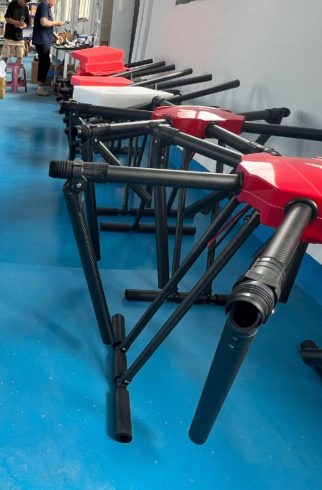
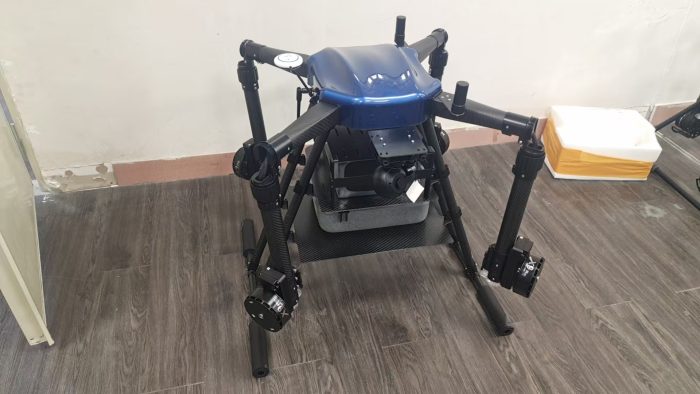
Landing gear
-
Flight controllers
-
Batteries
-
Chargers
Easy access to replacement parts reduces downtime and protects your investment.
Questions to Ask Before Purchasing
Before placing an order, discuss the following with your supplier:
-
Which drone is recommended for my crops?
-
What is the expected daily spraying capacity?
-
Which batteries and chargers are included?
-
What certifications are available?
-
Is operator training provided?
-
Are spare parts available locally or shipped internationally?
-
What warranty and technical support are offered?
A professional supplier should be able to answer these questions clearly and provide recommendations based on your farming conditions.
How to Choose the Right Model
Choose a 20L drone if you operate smaller farms, orchards, or plantations where flexibility and affordability are priorities.
Choose a 30L drone if you need a versatile solution for medium-sized commercial farming operations. It offers one of the best balances between efficiency, operating cost, and productivity.
Choose a 50L drone if you manage large agricultural projects or provide professional crop spraying services where maximum efficiency and high daily output are essential.
Conclusion
Selecting the right crop spraying drone is not about choosing the largest payload—it is about matching the equipment to your farming needs. Factors such as crop type, farm size, terrain, budget, battery performance, and after-sales support should all be considered before making a decision.
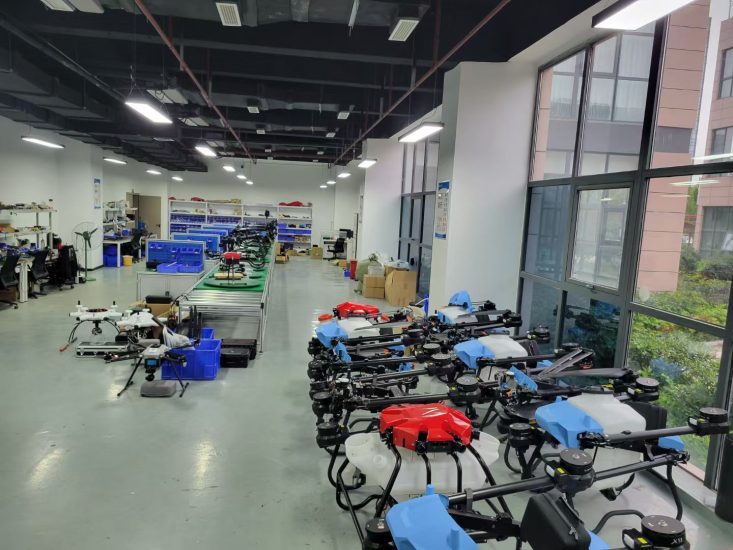
Working with an experienced agricultural drone manufacturer can help you select the most suitable model, receive professional technical guidance, and ensure long-term access to spare parts and software updates.
Whether you choose a 20L, 30L, or 50L drone, investing in the right solution can improve spraying efficiency, reduce labor costs, and support the long-term success of your agricultural business.
Frequently Asked Questions
Is a 20L drone enough for commercial farming?
It depends on the farm size. A 20L drone is suitable for small farms, orchards, and plantations, but larger commercial operations may benefit from a 30L or 50L model.
Why is the 30L drone so popular?
The 30L model offers an excellent balance between payload, flight efficiency, operating cost, and versatility, making it suitable for a wide range of crops.
When should I choose a 50L agricultural drone?
A 50L drone is ideal for large farms, agricultural service providers, and projects requiring high daily spraying capacity with fewer refills.
How many batteries do I need?
The number depends on your daily workload and charging speed. Most commercial users keep multiple intelligent batteries to maintain continuous field operations.
What should I look for besides payload capacity?
Consider flight stability, intelligent software, battery performance, spare parts availability, warranty, technical support, certifications, and the manufacturer’s production experience before making your final decision.
THE END


No comments yet