![Image [1]-Agricultural Drone Batteries for Sale – High Performance Power Solutions for Modern Farming-msoen](https://www.msoen.com/wp-content/uploads/2026/06/20260601112529146-mmexport1780289736579-1024x768.jpg)
![Image [2]-Agricultural Drone Batteries for Sale – High Performance Power Solutions for Modern Farming-msoen](https://www.msoen.com/wp-content/uploads/2026/06/20260601112533917-mmexport1780289733835-1024x880.jpg)
![Image [3]-Agricultural Drone Batteries for Sale – High Performance Power Solutions for Modern Farming-msoen](https://www.msoen.com/wp-content/uploads/2026/06/20260601112535865-mmexport1780289730875-1024x1024.jpg)
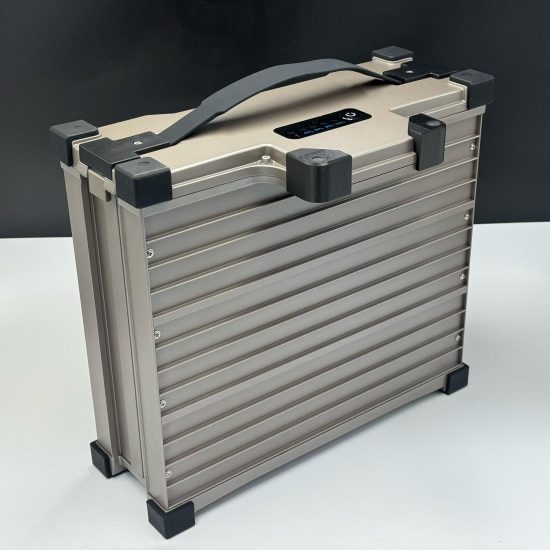
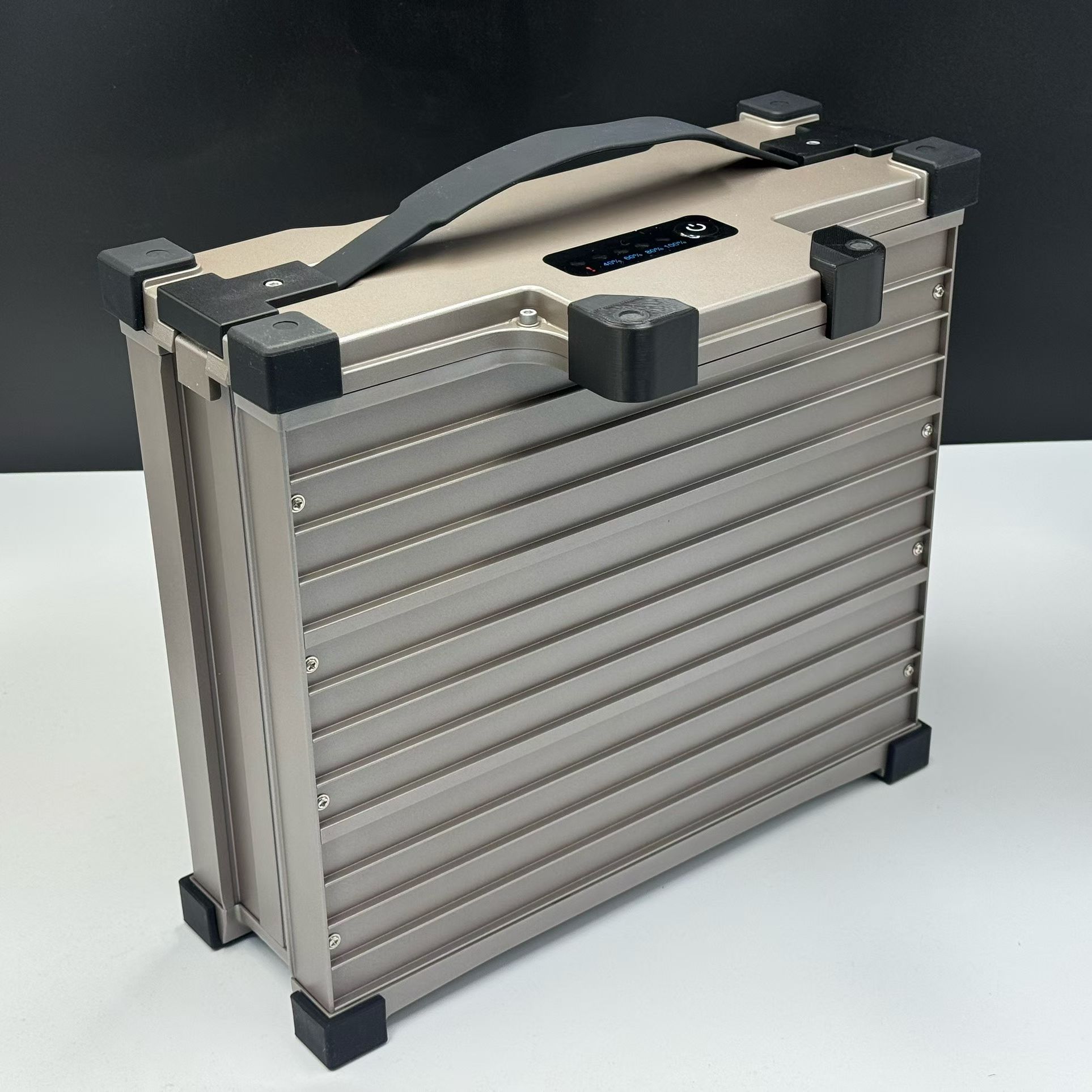
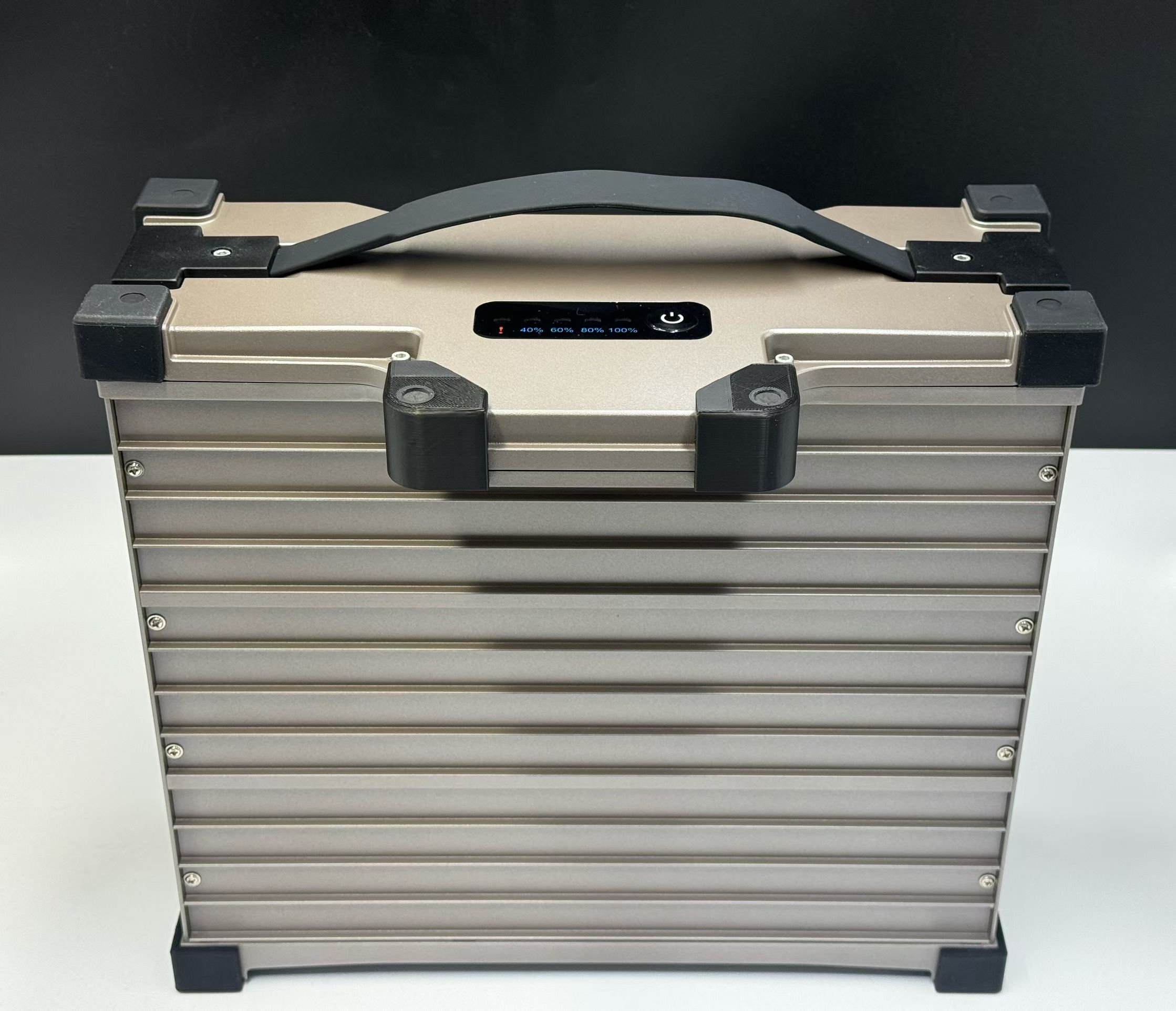
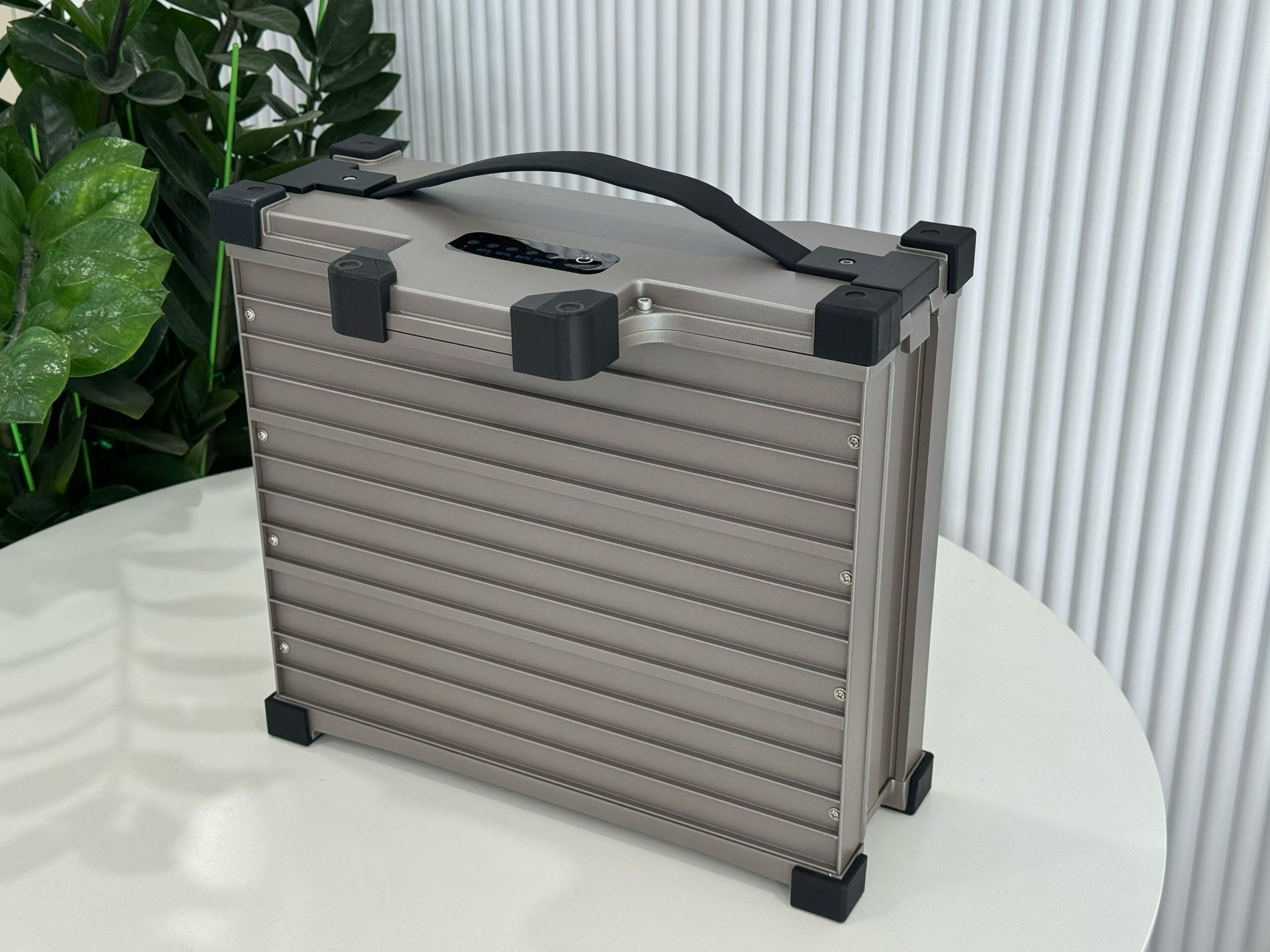
In modern precision agriculture, drones have become essential tools for crop spraying, fertilizing, seeding, and field monitoring. However, the real performance of any agricultural drone depends heavily on one critical component: the battery. Without a stable, high-capacity, and durable power source, even the most advanced drone cannot operate efficiently in large farmlands.
If you are looking for reliable agricultural drone batteries for sale, this guide will help you understand what matters, what to choose, and how to avoid costly downtime in your farming operations.
Why Agricultural Drone Batteries Matter
Agricultural drones usually operate in tough environments—heat, dust, wind, and long flight cycles. Unlike consumer drone batteries, industrial farming batteries must handle:
- Long continuous flight times (10–30 minutes per cycle or more depending on payload)
- High discharge rates for heavy lifting and spraying systems
- Rapid charging to support multiple daily operations
- Stable voltage output for safe flight performance
- Durability in outdoor agricultural conditions
A weak or low-quality battery can reduce coverage area per flight, increase downtime, and even cause flight instability during spraying missions.
Key Features of High-Quality Drone Batteries
When choosing agricultural drone batteries, professional users should focus on the following specifications:
1. High Energy Density
Modern lithium polymer (LiPo) or lithium-ion hybrid batteries are designed to store more energy in a compact size. This allows drones to carry more payload while maintaining stable flight time.
2. High Discharge Rate (C-Rating)
Agricultural drones require sudden power bursts during takeoff and spraying. A higher discharge rate ensures the drone can respond quickly without voltage drop.
3. Smart Battery Management System (BMS)
Advanced batteries include intelligent protection systems that monitor:
- Overcharging protection
- Temperature control
- Cell balancing
- Short-circuit prevention
This increases safety and extends battery lifespan.
4. Fast Charging Capability
In large farms, time is critical. High-quality batteries support fast charging systems, allowing operators to rotate multiple battery packs and keep drones in continuous operation.
5. Long Cycle Life
A professional agricultural drone battery should offer 300–800+ charging cycles depending on usage conditions, reducing long-term operational costs.
Common Battery Types for Agricultural Drones
Lithium Polymer (LiPo) Batteries
- Lightweight
- High discharge rate
- Common in most spraying drones
Lithium-Ion Batteries
- Longer lifespan
- More stable energy output
- Slightly heavier but efficient for endurance missions
Smart Modular Batteries
- Integrated monitoring system
- Used in advanced industrial drone platforms
- Easier maintenance and tracking
How to Choose the Right Battery for Your Drone
Before purchasing agricultural drone batteries, consider the following:
- Drone model compatibility (voltage and connector type)
- Payload capacity (sprayer weight or seed load)
- Required flight time per mission
- Charging infrastructure available on-site
- Working environment (temperature and humidity)
For example, large-scale rice or wheat farms often require high-capacity 20,000mAh–30,000mAh batteries, while smaller orchard drones may use lighter packs.
Why Professional Supply Matters
Buying agricultural drone batteries is not just about price—it’s about consistency and reliability. A professional supplier ensures:
- Stable batch quality control
- Tested discharge performance
- Safe packaging for international shipping
- OEM/ODM customization options
- Technical support for compatibility issues
For commercial drone operators, a reliable battery supply chain directly affects productivity and profit.
Frequently Asked Questions (FAQ)
Q1: How long does an agricultural drone battery last?
Most professional batteries last between 300 and 800 cycles depending on usage, charging habits, and storage conditions.
Q2: Can I use any battery for my agricultural drone?
No. You must match voltage, connector type, and discharge rating with your drone manufacturer’s specifications.
Q3: How long does it take to charge a drone battery?
Standard charging takes 30–90 minutes, while fast-charging systems can reduce this significantly.
Q4: What is the best way to extend battery life?
Avoid over-discharging, store batteries at 40–60% charge when not in use, and keep them in a cool environment.
Final Thoughts
Agricultural drone batteries are not just accessories—they are the core power system behind modern precision farming. Choosing high-quality, stable, and well-supported battery packs ensures longer flight time, better spraying efficiency, and lower operational costs.
If you are sourcing agricultural drone batteries for commercial or OEM use, always prioritize quality, safety certification, and long-term supply stability over short-term pricing advantages.
No Reviews content yet