Digital Agriculture and Sustainable Food Systems

Digital agriculture is a driving force behind the transformation of food systems worldwide. By integrating technology, data analytics, and automation, digital agriculture is not only increasing productivity but also promoting sustainability. In this article, we’ll explore how digital agriculture contributes to more sustainable food systems.
Sustainable Agriculture and Digital Technology:
Sustainable agriculture aims to meet the needs of the present without compromising the ability of future generations to meet their own needs. Digital agriculture aligns with sustainability goals in several ways:
-
Resource Efficiency: Digital agriculture optimizes the use of resources such as water, fertilizers, and pesticides. Precision application reduces waste and environmental impact.
-
Reduced Chemical Usage: Data-driven decision-making minimizes the need for chemical inputs, promoting healthier soils and ecosystems.
-
Improved Soil Health: Soil monitoring and management tools in digital agriculture support practices that enhance soil health and fertility.
-
Lower Carbon Footprint: Automation and precision farming reduce energy consumption and greenhouse gas emissions associated with traditional farming practices.
-
Resilience: Predictive analytics help farmers anticipate and mitigate risks related to weather events, pests, and diseases.
Key Components of Sustainable Digital Agriculture:
-
IoT Sensors: These devices collect data on soil conditions, weather, crop health, and more, providing a real-time understanding of farm conditions.
-
Data Analytics: Advanced analytics and AI process the data collected, generating insights for decision-making and resource management.
-
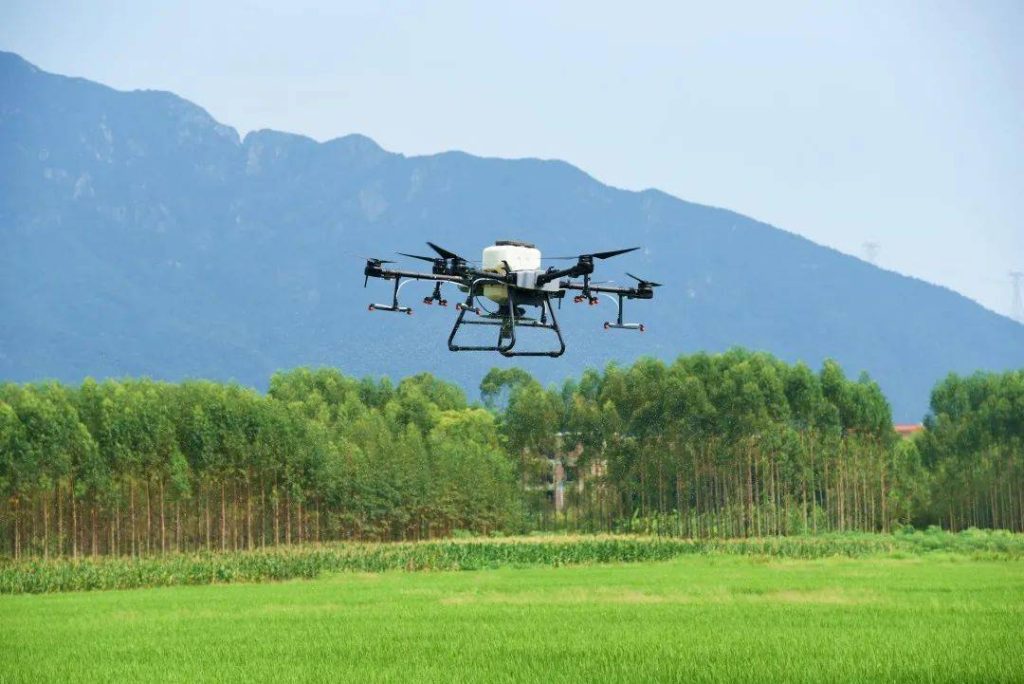
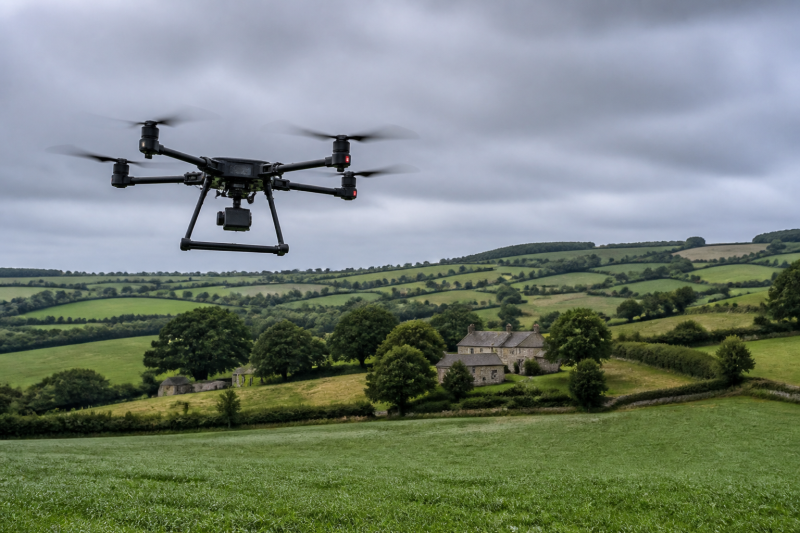
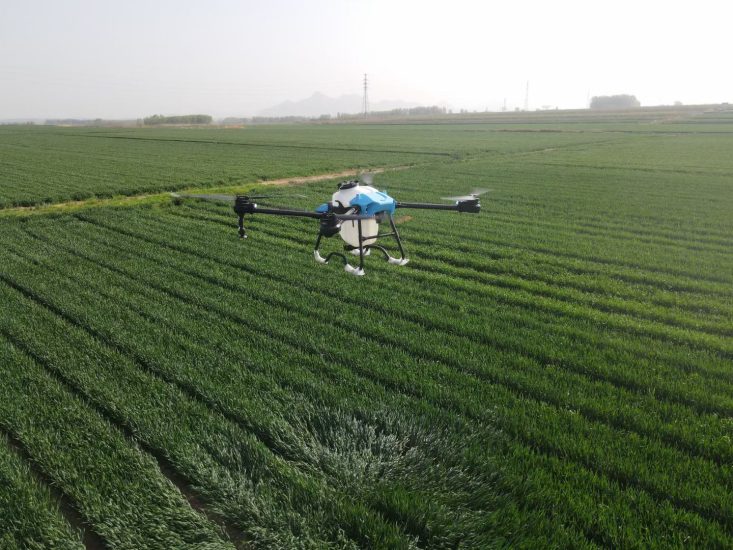
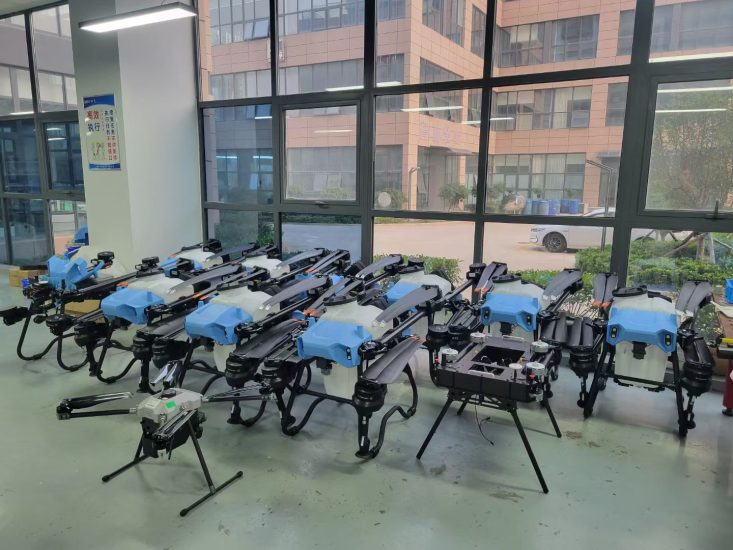
Automation: Robotics, drones, and autonomous vehicles automate tasks such as planting, harvesting, and irrigation, reducing labor requirements and errors.
-
Precision Application: Smart equipment precisely applies inputs, ensuring that resources are used efficiently.
-
Remote Monitoring: Farmers can remotely monitor and manage their operations using smartphones or computers, enabling timely responses to issues.
Benefits of Digital Agriculture for Sustainable Food Systems:
-
Enhanced Productivity: Digital agriculture often leads to higher crop yields and more efficient livestock management.
-
Resource Conservation: Precision resource management reduces waste and conserves water, fertilizer, and energy.
-
Cost Reduction: Improved efficiency can lead to lower operational costs over time.
-
Resilience: Predictive analytics help farmers adapt to changing conditions and mitigate risks.
-
Data-Driven Decision-Making: Farmers can make informed choices based on real-time data, improving farm management.
While digital agriculture holds great promise for sustainability, challenges remain, including the need for data privacy and security, as well as access to technology in rural areas. However, as technology continues to evolve and as more farmers adopt digital practices, the potential for sustainable food systems becomes increasingly achievable.
In conclusion, digital agriculture is a powerful tool for promoting sustainability in food systems. By optimizing resource use and reducing environmental impact, digital agriculture contributes to a more resilient and environmentally responsible agricultural sector.

No reply content