
Revolutionizing Moldovan Agriculture: The Rise of Chinese Agricultural Drones in Vineyards and Fields
Moldova, a small yet agriculturally vibrant nation nestled in Eastern Europe, has long been celebrated for its fertile soils, sprawling vineyards, and robust cereal crops. As a key player in global wine production and a hub for high-quality grains, the country’s agricultural sector underpins both its economy and cultural identity. Yet, like many agricultural nations, Moldova faces pressing challenges: aging rural populations, rising labor costs, and the urgent need to adopt sustainable practices to meet growing global demand for its products. Enter an unlikely yet transformative solution—Chinese agricultural drones, now making inroads into Moldovan farms to redefine efficiency, precision, and sustainability in food production.
The Challenge: Feeding a Growing World with Traditional Methods
Moldova’s agriculture thrives on its diversity, from sun-kissed vineyards in the south to wheat and sunflower fields in the north. However, manual or outdated machinery-dependent farming practices strain productivity. For instance, crop spraying—a critical task to protect vines and cereals from pests and diseases—often relies on labor-intensive hand-held sprayers or slow-moving tractors. This approach is not only time-consuming but also wasteful: studies show traditional methods can overspray up to 30% of pesticides and fertilizers, increasing costs and environmental harm. Worse, labor shortages, exacerbated by rural youth migrating to cities, threaten to leave fields untended during peak seasons.
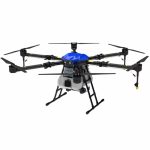
Against this backdrop, Moldovan farmers and policymakers have increasingly turned to agritech innovations. Among these, agricultural drones—unmanned aerial vehicles equipped with sensors, spray systems, and AI-driven analytics—have emerged as a game-changer.
Why Chinese Agricultural Drones? Precision, Affordability, and Adaptability
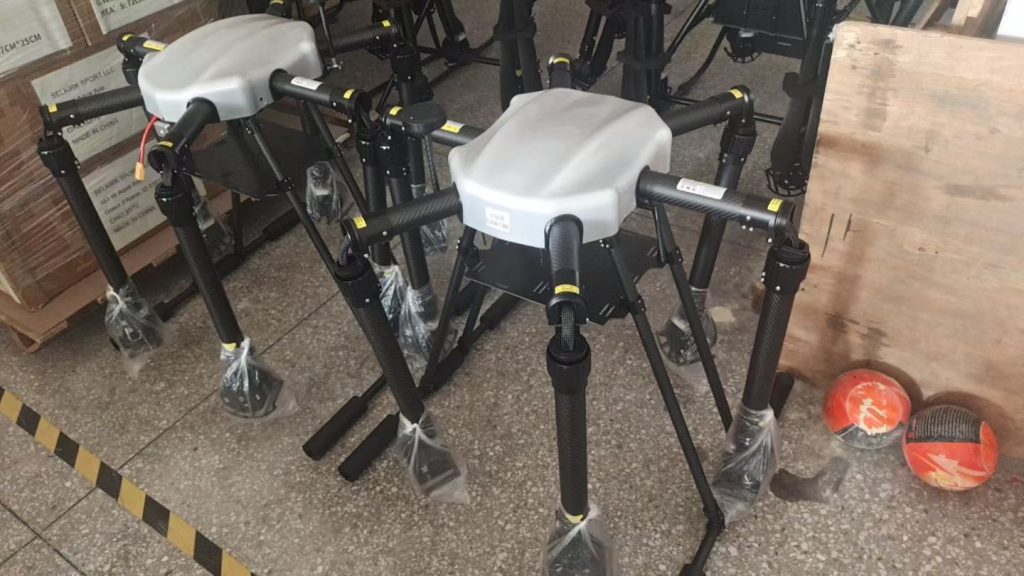
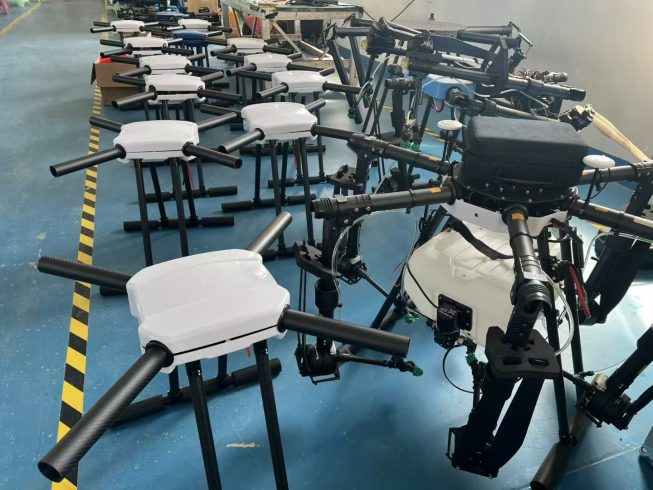
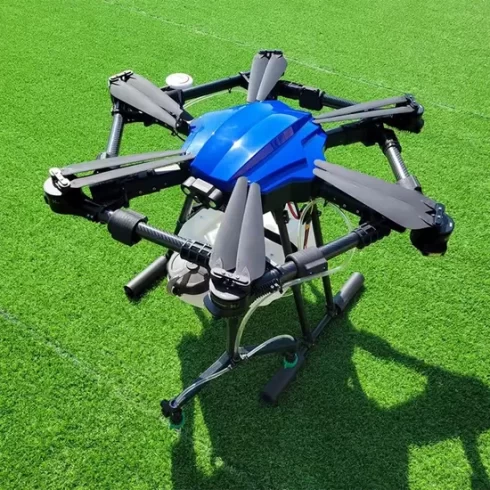
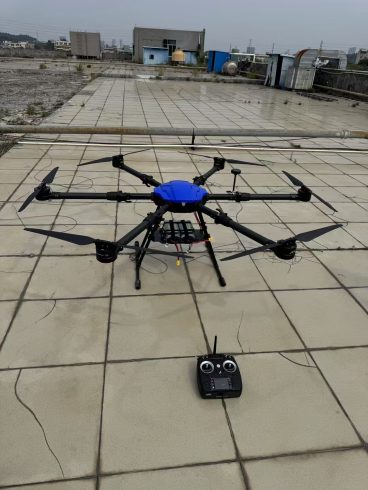
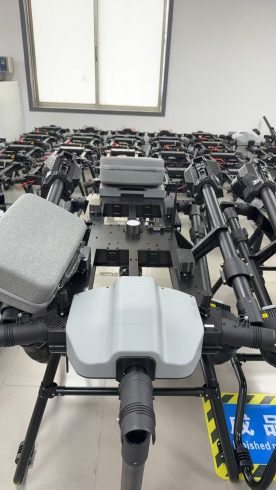
China, a global leader in drone technology, has invested heavily in R&D to tailor agricultural drones for diverse farming needs. Unlike generic drones, these models are engineered specifically for agriculture, boasting features that align perfectly with Moldova’s requirements:
-
Hyper-Precision Spraying: Equipped with high-resolution cameras and multi-spectral sensors, Chinese agri-drones map field conditions in real time. They adjust spray volume and nozzle pressure dynamically, ensuring pesticides or fertilizers target only affected areas—reducing chemical use by up to 50% while maintaining efficacy. For Moldova’s vineyards, this means protecting delicate grapevines without overexposing them to chemicals, a critical factor for EU export compliance.
-
Efficiency at Scale: A single drone can cover 10–15 hectares in an hour—equivalent to 10 farmworkers laboring all day. This speed is invaluable during critical windows like post-rain pest control or pre-harvest disease prevention, where delays can decimate yields.
-
Terrain Flexibility: Moldova’s rolling hills and uneven fields pose challenges for ground machinery. Chinese drones, with their stable flight algorithms and obstacle-avoidance systems, navigate these terrains effortlessly, ensuring no patch is left unattended.
-
Affordability & Local Support: While high-tech, these drones are priced competitively, with modular designs that allow upgrades as farming needs evolve. Manufacturers also provide training programs for local technicians, ensuring farmers can operate and maintain drones independently—a key factor in building trust and long-term adoption.
From Trial to Adoption: Early Success Stories in Moldova
Pilot programs in Moldova’s wine regions, such as Cahul and Ungheni, have yielded promising results. One family-owned vineyard reported a 40% reduction in pesticide costs after switching to drone spraying, alongside improved grape quality due to targeted treatment. Another cooperative managing 200 hectares of wheat fields noted a 25% increase in yield, attributed to timely nutrient delivery via drones during critical growth stages.
Farmers have also praised the drones’ user-friendly interfaces and low maintenance requirements. “We used to hire seasonal workers for spraying, but now a single operator with a drone can do the job faster and safer,” said Ivan, a third-generation farmer from the Codru region. “Plus, the data from the drones helps us plan better for next year—what areas need more care, which crops are thriving.”
A Partnership for Sustainable Growth
The integration of Chinese agricultural drones into Moldova’s farming landscape is more than a technological upgrade—it’s a step toward a resilient, future-ready agricultural sector. By cutting waste, boosting yields, and reducing reliance on manual labor, drones empower Moldovan farmers to compete globally while adhering to EU sustainability standards.
Looking ahead, collaboration between Moldovan agricultural institutions and Chinese drone manufacturers could deepen further. Joint research on adapting drones to local crop varieties, expanded training initiatives, and policy support for tech adoption will be key to maximizing impact.
Conclusion: Cultivating the Future, One Drone at a Time
For Moldova, the arrival of Chinese agricultural drones signals a shift from tradition to innovation—a shift that honors its agricultural heritage while embracing tools to thrive in the 21st century. As these drones take to the skies over its vineyards and fields, they carry not just payloads of fertilizer or pesticides, but also the promise of a more productive, sustainable, and profitable agricultural future. In this partnership, both nations find common ground: feeding the world, one precision flight at a time.
THE END


暂无评论内容