
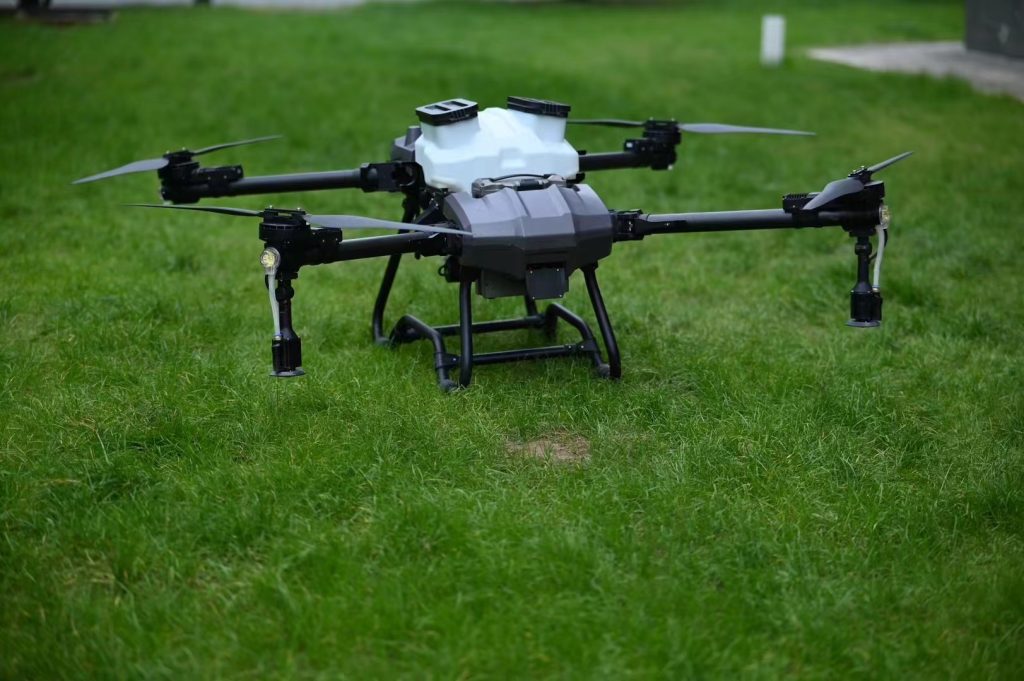
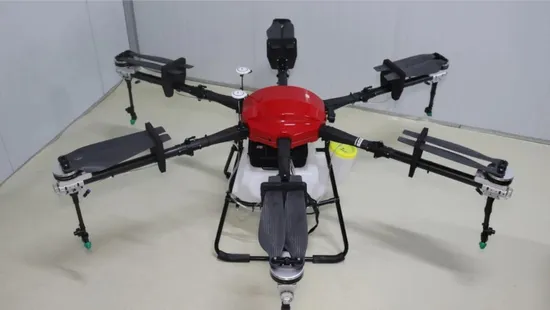
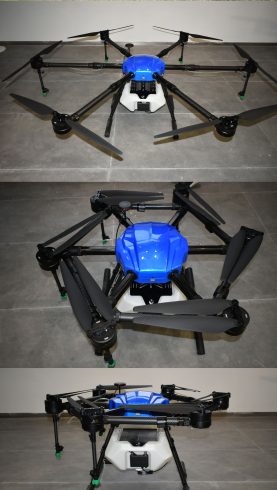
Modern agriculture is evolving rapidly, and farming drones for pesticides are at the forefront of this transformation. These innovative drones are designed to make crop protection more efficient, cost-effective, and environmentally friendly.
Why Choose a Farming Drone for Pesticides? ✅
- Precision Spraying: Drones can spray pesticides evenly over crops, reducing chemical waste.
- Time Efficiency: Cover large areas in a fraction of the time it takes with manual spraying.
- Labor Saving: Reduces dependency on manual labor, especially in difficult terrain.
- Eco-Friendly: Minimizes overuse of chemicals and prevents soil contamination.
Key Features of Pesticide Spraying Drones 🌟
| Feature | Description | Benefit |
|---|---|---|
| Payload Capacity | 10–50L pesticide tank | Suitable for small to large farms |
| Flight Time | 20–40 minutes per battery | Reduces downtime during spraying |
| GPS Guidance | Automated flight paths | Ensures uniform spraying coverage |
| Adjustable Nozzles | Spray width control | Targeted pesticide application |
| Remote Monitoring | Real-time spraying data | Improves efficiency and accuracy |
| Foldable Design | Easy transport and storage | Ideal for multiple farm locations |
| Safety Sensors | Obstacle detection & avoidance | Prevents accidents during flight |
Advantages for Farmers 🌱
- Increased Crop Yield: Accurate pesticide application reduces pest damage.
- Cost Savings: Less pesticide waste and lower labor costs.
- Flexible Operation: Can spray on slopes, uneven land, and hard-to-reach areas.
- Data Collection: Many drones offer crop monitoring features for smarter farming decisions.
How It Works 🛠️
- Preparation: Load the pesticide tank and set the drone’s flight route.
- Automated Flight: The drone follows GPS-guided paths for uniform spraying.
- Spraying: High-efficiency nozzles disperse the pesticide over crops.
- Recharge & Repeat: Quick battery replacement allows continuous operation.
Choosing the Right Farming Drone for Pesticides 🎯
When selecting a drone, consider:
- Farm size and pesticide volume requirements
- Battery life and recharge time
- Flight stability in windy conditions
- Availability of spare parts and after-sales support
Conclusion
Farming drones for pesticides are no longer just futuristic tools—they are practical solutions for modern agriculture. By improving efficiency, reducing labor, and promoting sustainable practices, these drones are helping farmers worldwide protect crops while saving time and costs.
THE END

暂无评论内容